Skin Signs of Systemic Disease


Abstract


The skin can be the window to systemic diseases. The presenting cutaneous symptoms and signs will lead the clinician to a more focused differential diagnosis and thus aid in the ordering of laboratory tests. In some cases, for example, lymphoma, the skin biopsy is diagnostic.


Fever and Rash


Key Points


  • 1.

    Characterize the rash to limit the differential diagnosis


  • 2.

    Do laboratory tests based on the history and physical examination


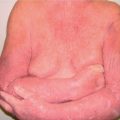
A wide spectrum of diseases can present with fever and rash, including infections, drug reactions (e.g., DRESS; Fig 23.1 ), collagen vascular diseases, and vasculitis. These causes are listed in Table 23.1 , according to the primary cutaneous lesions: macules and papules, purpura, nodules and plaques, vesicles and bullae, and pustules. Some of these diseases (e.g., meningococcemia; Fig. 23.2 ) are life threatening and require prompt diagnosis and treatment.


Figure 23.1


DRESS – d rug r eaction with e osinophilia and s ystemic s ymptoms.


Table 23.1

Fever and Rash


Macules and papules (erythematous rashes)


  • ●

    Infections


    • ●

      Viral


      • Measles (rubella, rubeola)


      • Adenovirus


      • Echovirus


      • Infectious mononucleosis


      • Human immunodeficiency virus (HIV)


      • West Nile


      • Ebola


      • Chikungunya


      • Zika


    • ●

      Bacterial


      • Staphylococcus – toxic shock syndrome


      • Streptococcus – erysipelas, rheumatic and scarlet fever


      • Typhoid fever


      • Typhus – endemic


      • Rat-bite fever


    • ●

      Treponemal


      • Erythema migrans (Lyme disease)


      • Secondary syphilis


    • ●

      Fungal


      • Cryptococcosis


  • ●

    Drug reaction with eosinophilia and systemic symptoms (DRESS)


  • ●

    Connective tissue disease


    • Systemic lupus erythematosus


    • Dermatomyositis


    • Juvenile rheumatoid arthritis


    • Adult Still disease


  • ●

    Erythema multiforme


  • ●

    Kawasaki syndrome


  • ●

    Tumor necrosis factor receptor-associated periodic syndrome (TRAPS)


  • ●

    Familial Mediterranean fever


  • ●

    Hyperimmunoglobulinemia D syndrome (HIDS)


  • ●

    Interferonopathies

Purpura


  • ●

    Infections


    • ●

      Viral


      • Ebola


      • Enterovirus


      • Dengue


      • Hepatitis


    • ●

      Bacterial


      • Gonococcemia


      • Meningococcemia


      • Pseudomonas septicemia


      • Bacterial endocarditis


    • ●

      Rickettsial


      • Typhus – epidemic


      • Rocky Mountain spotted fever


    • ●

      Ehrlichiosis


    • ●

      Fungal


      • Candidal septicemia


    • ●

      Drug reaction


    • ●

      Vasculitis


    • ●

      Connective tissue disease


      • Systemic lupus erythematosus


      • Rheumatoid arthritis


    • ●

      Thrombotic thrombocytopenic purpura


Nodules and plaques


  • ●

    Infections


    • ●

      Bacterial


      • Tuberculosis


    • ●

      Fungal


      • Histoplasmosis


      • Blastomycosis


      • Coccidioidomycosis


  • ●

    Lymphoma


  • ●

    Erythema nodosum


  • ●

    Sweet syndrome

Vesicles and bullae


  • ●

    Infections


    • ●

      Viral


      • Herpes simplex (primary, disseminated)


      • Herpes zoster (disseminated)


      • Coxsackie (hand, foot, and mouth syndrome)


      • Varicella


      • Monkeypox


      • Orf


      • Smallpox


    • ●

      Rickettsial


      • Rickettsialpox


    • ●

      Bacterial


      • Staphylococcal scalded skin syndrome


      • Drug reaction (toxic epidermal necrolysis—TEN)


  • ●

    Erythema multiforme

Pustules


  • ●

    Infections


    • ●

      Viral


      • Herpes simplex and zoster


      • Varicella


    • ●

      Treponemal


      • Congenital syphilis


    • ●

      Bacterial


      • Gonococcemia


    • ●

      Fungal


      • Candidal septicemia


      • Blastomycosis


  • ●

    Drug eruption (acute generalized exanthematous pustulosis-AGEP)


  • ●

    Pustular psoriasis


Figure 23.2


Meningococcemia – purpura in an acutely ill patient.

Only gold members can continue reading. Log In or Register to continue

Stay updated, free articles. Join our Telegram channel

Mar 20, 2019 | Posted by in Dermatology | Comments Off on Skin Signs of Systemic Disease

Full access? Get Clinical Tree

Get Clinical Tree app for offline access