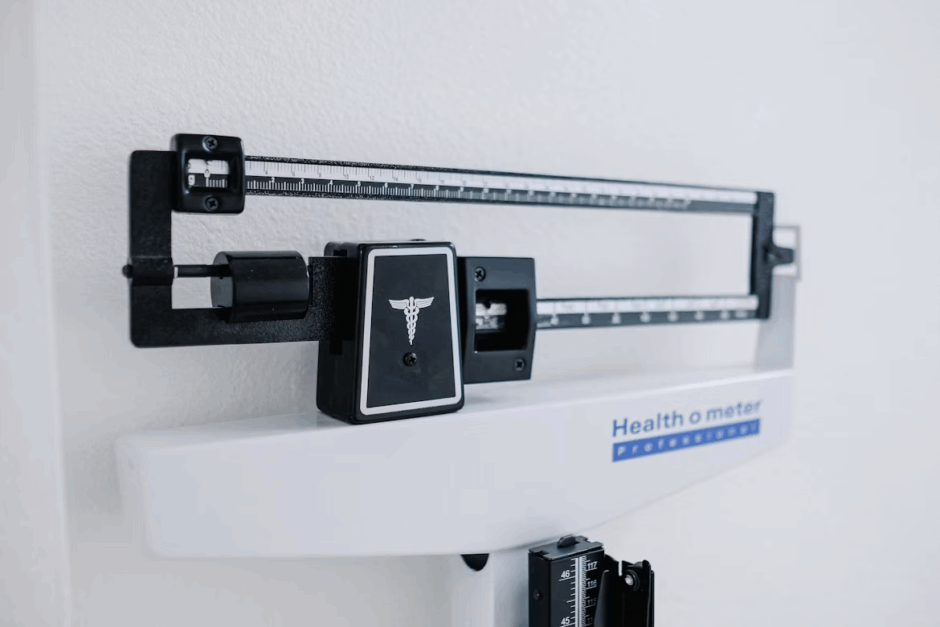
Body Mass Index (BMI) is a simple screening tool that estimates body fat from a person’s height and weight. It takes the weight in pounds or kilograms, divides it by the height in inches or meters squared, and then multiplies it by 703 (703 x [lbs/in2]).
The number you receive places you into one of four categories: underweight, healthy or normal weight, overweight, or obesity. While BMI is regularly used to determine the general body size of both men and women, it fails women in the following ways:
Ignores Fat Distribution
BMI can give you a rough idea of the level of fat you’re carrying, but not where it’s stored. It could tell you that you’re at a normal weight, but not that you have visceral fat, which is a dangerous form of fat around your organs. While this is something that weight loss pens may be able to help with, using BMI to determine your health may lead you to believe that it’s not something you need to address.
In reality, visceral fat is harmful because it wraps around internal organs and releases inflammatory chemicals and fatty acids into the liver. It also interferes with your hormone function, blocking insulin’s ability to regulate your blood sugar and leading to insulin resistance.
No Adjustment for Menopause and Aging
After menopause, women experience hormonal changes that often lead to decreased muscle mass and increased midsection fat. This means that a woman can have a seemingly healthy BMI, but still carry an unhealthy level of body fat.
Ignores Body Composition
BMI uses simple measurements of height and weight. It doesn’t account for the unique muscle and fat distribution of each woman. As a result, a woman with high muscle mass may be classified as overweight, while a woman with low muscle mass but high body fat may be considered normal or healthy.
BMI Alternatives for Women
Fortunately, you don’t have to rely on a standard BMI calculator to determine your weight and general health. There are at least four alternatives that better estimate visceral fat and predict health risks:
Waist-to-Height Ratio
This calculation involves dividing your waist circumference by your height. Your waist measurement should be less than half your height. It’s a simple health screening tool to assess your central body fat and cardiometabolic risk.
Body Roundness Index (BRI)
Rather than considering your body mass, a Body Roundness Index (BRI) tool considers your body roundness. It uses your height and weight measurements to estimate visceral fat volume and predict the risk of metabolic syndrome.
Waist-to-Hip Ratio
A waist-to-hip ratio compares your waist size to hip size to determine your cardiovascular risk and fat distribution. According to the World Health Organization, a healthy waist-to-hip ratio for women is 0.85 or lower.
Skinfold Test
For a more detailed view of your fat tissue versus lean mass, request a specialized skinfold test from a healthcare professional. They use skinfold calipers to measure the thickness of your subcutaneous fat across multiple sites, including
- Triceps
- Area above the hip bone
- Thigh or abdomen
- Chest
- Area near the armpit
- Area beneath the shoulder blade
While simple and straightforward for healthcare professionals to use, BMI is not an altogether accurate measurement of body composition or fat distribution in women. It ignores fat and muscle and doesn’t consider menopause.
Talk to your healthcare provider about more accurate alternatives, such as a skinfold test, waist-to-hip/height ratio, and body roundness index. The information you learn may help you decide the actions you take next.
Related posts:




Stay updated, free articles. Join our Telegram channel

Full access? Get Clinical Tree


