Photo by Brands&People from Unsplash
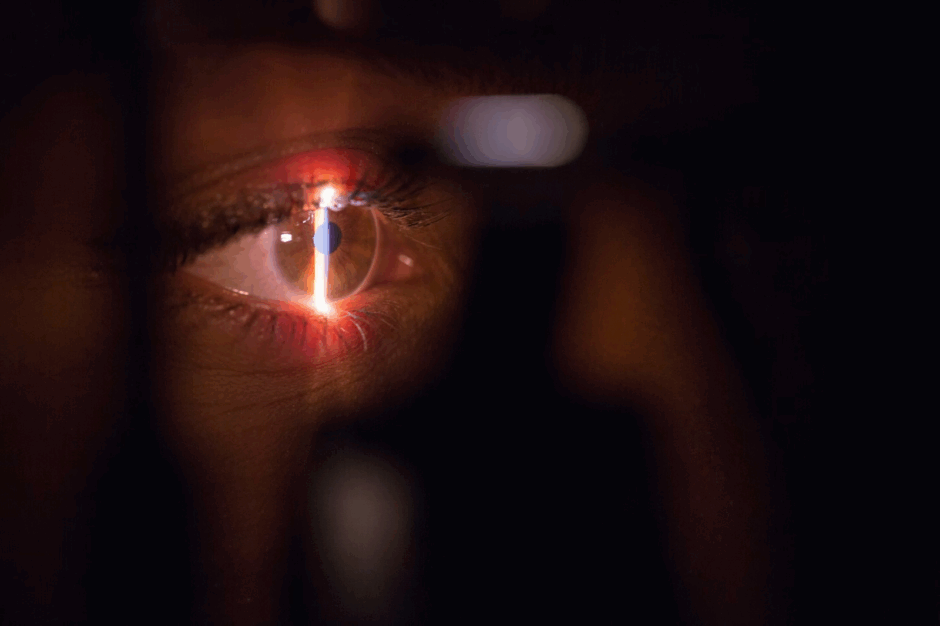
Visual decline in patients over 45 often develops gradually, as age-related changes affect multiple parts of the eye at the same time. The crystalline lens loses flexibility, reducing accommodative ability and causing presbyopia, while the surrounding periocular tissues begin to descend and loosen. These combined changes can reduce visual clarity and physically narrow the visual field, making everyday tasks more difficult.
Because both lens dysfunction and periocular aging influence visual performance, surgeons must identify the primary source of impairment before selecting a surgical approach. Establishing the correct sequence ensures that each intervention addresses a stable anatomical and refractive baseline, which improves diagnostic accuracy and supports more predictable functional outcomes.
How Lens-Based Refractive Changes Influence Surgical Planning
Lens aging introduces progressive optical instability that directly affects surgical planning in patients over 45. As the crystalline lens stiffens and thickens, accommodative ability declines, and refractive error may shift over time. These changes alter visual performance in ways that periocular surgery alone cannot correct.
Accurate refractive assessment is essential before addressing periocular anatomy. If lens dysfunction remains uncorrected, surgeons risk basing periocular interventions on visual measurements that may soon change. This can complicate outcome evaluation and reduce the predictability of surgical results.
Lens clarity also affects visual acuity independently of eyelid position. Even when dermatochalasis or ptosis contributes to field obstruction, refractive instability can remain the primary driver of blurred vision and functional limitation.
Procedures such as Refractive Lens Exchange allow surgeons to replace the dysfunctional natural lens and establish a stable refractive baseline. Once refractive status is stabilized, periocular correction can be planned with greater precision, ensuring that anatomical adjustments align with the patient’s long-term visual condition.
How Periocular Anatomy Influences Visual Function and Diagnostic Accuracy
Periocular anatomy plays a direct role in regulating how light enters the eye and reaches the visual axis. When eyelid position changes due to aging, the physical obstruction can reduce functional vision even when the lens and retina remain healthy.
Dermatochalasis creates excess upper eyelid skin that may extend over the lid margin. This redundant tissue can block portions of the superior visual field, especially during reading or tasks that require upward gaze. Patients may not recognize the obstruction because it develops gradually.
Ptosis further reduces pupil exposure by lowering the eyelid margin itself. In response, patients often activate the frontalis muscle to elevate the brow and compensate. This compensation can temporarily improve the field of view but may mask the true severity of eyelid dysfunction during examination.
These anatomical factors can affect diagnostic accuracy. Manually elevating the eyelids during evaluation helps determine whether visual limitation persists, allowing surgeons to distinguish mechanical obstruction from refractive causes.
Why Lens-Based Intervention Often Precedes Periocular Surgery
Lens-based intervention often comes first because it establishes long-term refractive stability. The natural lens continues to undergo structural and optical changes with age, which can alter visual clarity even after periocular correction. Addressing the lens first ensures that refractive measurements reflect the patient’s permanent visual condition rather than a temporary state.
Correcting refractive dysfunction also improves the accuracy of functional assessment. Once optical clarity is restored, surgeons can determine whether residual visual limitation results from mechanical obstruction caused by dermatochalasis, ptosis, or brow descent. This distinction allows for more precise identification of the anatomical factors that require correction.
Sequencing lens intervention first also improves surgical predictability. With refractive stability established, periocular procedures can be planned to optimize eyelid position and visual function without concern for future refractive shifts altering the overall outcome.
When Periocular Surgery Should Be Performed First
Periocular surgery should be prioritized when anatomical obstruction is the primary cause of visual impairment. Significant dermatochalasis or ptosis can physically block the visual axis, reducing superior field visibility regardless of refractive status. In these cases, restoring proper eyelid position directly improves functional vision.
Severe eyelid descent can also interfere with accurate refractive measurement. When the pupil is partially covered, visual testing may not reflect the eye’s true optical potential. Correcting eyelid position first allows for more reliable assessment of refractive error and lens function.
Ocular surface health is another consideration. Eyelid malposition can disrupt tear distribution and cause exposure-related symptoms. Addressing these structural issues first creates a more stable environment for future lens-based intervention and improves overall surgical planning accuracy.
How Surgical Sequencing Affects Outcome Predictability and Patient Satisfaction
Proper surgical sequencing improves the reliability of both refractive and periocular outcomes. When procedures are performed in the correct order, postoperative visual performance reflects stable anatomical and optical conditions. This allows surgeons to evaluate results accurately and make adjustments only when necessary.
Incorrect sequencing can create uncertainty in outcome assessment. If periocular correction occurs before refractive stabilization, ongoing lens changes may alter visual clarity. Patients may attribute persistent visual limitations to eyelid surgery when the underlying cause remains optical.
Clear sequencing also improves patient satisfaction. When refractive and anatomical factors are addressed in a coordinated manner, patients experience more consistent improvements in both clarity and visual field function. This structured approach reduces the likelihood of revision procedures and supports more predictable long-term results.
Multidisciplinary Coordination Between Refractive and Oculoplastic Surgeons
Effective sequencing often requires collaboration between refractive surgeons and oculoplastic specialists. Each discipline evaluates different anatomical structures, and coordinated assessment ensures that both optical and mechanical contributors to visual impairment are properly identified.
Refractive surgeons assess lens clarity, accommodative function, and refractive stability. Oculoplastic surgeons evaluate eyelid position, brow support, and the presence of dermatochalasis or ptosis. Sharing these findings allows both specialists to determine which condition most significantly affects visual performance.
Coordinated planning reduces the risk of performing procedures in an order that compromises diagnostic accuracy or surgical outcomes. When both teams align their approach, patients receive interventions based on a comprehensive understanding of their visual system, which improves safety, predictability, and overall functional results.
Wrapping Up
Determining whether periocular correction or lens-based refractive intervention should occur first requires careful evaluation of both anatomical and optical factors. In patients over 45, visual decline often reflects combined changes, but identifying the primary source of impairment allows surgeons to establish a stable and accurate foundation for surgical planning.
When sequencing decisions align with the patient’s underlying physiology, surgical outcomes become more predictable and effective. Prioritizing the appropriate intervention ensures that periocular structure and refractive clarity work together to restore visual function and long-term stability.
Related posts:



Stay updated, free articles. Join our Telegram channel

Full access? Get Clinical Tree


