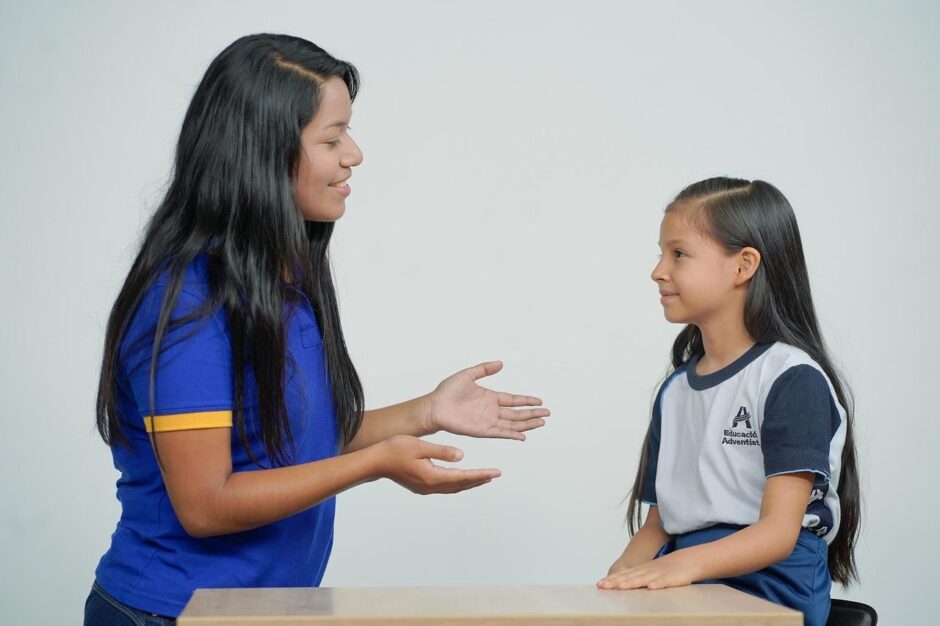
Students carry a lot into school each day. Academic expectations stack up quickly, friendships can feel intense, and problems at home do not pause at the classroom door. Screen time and social media add another layer, especially when comparisons, rumors, or late-night scrolling cut into sleep.
Schools cannot solve every issue, yet they can shape a daily environment that makes students feel supported, understood, and steady. Practical mental health support also protects learning. Focus improves when students feel safe, calm, and connected. The good news is that many effective steps fit into a normal school day.
Make Mental Health Part of the School Culture
School culture shows up in the small moments: how adults speak to students, how mistakes are handled, and what happens when someone seems off. Mental health support starts when students hear consistent messages that emotions are normal and help is available. Language matters here. Simple phrases like “I’m glad you told me” or “Let’s figure out what would help right now” lower shame and invite honesty.
Visible reminders help, yet culture grows faster through routine actions. Homeroom check-ins, brief reflection prompts, and respectful correction set the tone.
Build Staff Confidence Through Training and Clear Protocols
Effective mental health support starts with training that gives school staff a shared approach. Clear expectations build confidence, and students benefit from consistent responses. Training should cover three essentials: recognizing warning signs, holding a brief, respectful check-in, and routing concerns through a defined referral path. Protocols must clarify boundaries, basic documentation, and when to escalate immediately.
When staff share the same language and steps, they act faster and with less uncertainty. To keep routines student-centered and evidence-based, programs align procedures to professional standards. The National Association of School Psychologists (NASP) sets rigorous guidance for research-aligned practice. Leaders can lean on training shaped by NASP accredited programs, many offered online, adding flexibility while meeting high professional expectations. This consistency helps reduce confusion, strengthen follow-through, and connect students to help sooner.
Create a Strong Tiered Support System That Students Can Actually Use
A school needs more than goodwill. Students do better when support is organized and easy to navigate. Tiered support makes that possible. Universal support reaches everyone, targeted support helps students who need extra structure, and intensive support serves students facing serious challenges.
Universal support can look simple: predictable classroom routines, advisory periods that include check-ins, and quiet reset options that do not feel like punishment. Targeted support might include small groups focused on stress management or social skills, plus regular check-ins with a trusted adult.
Improve Access to Counseling and Lower the Friction
Counseling support can exist on paper and still feel out of reach. Students avoid help when they worry about being judged, missing class, or getting labeled. Access improves when the process feels normal and private.
Multiple entry points matter. Self-referral options like a simple form, a QR code, or posted drop-in times make support easier to start. Teachers also need a straightforward referral method that does not create a long back-and-forth.
Teach Coping Skills in Everyday Learning, Not Just Special Assemblies
Awareness helps, yet students also need skills they can use during real stress. Coping tools land better when they show up in daily routines, not only in one-time events. Short practices can fit naturally into class. A two-minute breathing routine before a test, a grounding exercise after a tense moment, or a quick reflection prompt at the end of the day can steady the nervous system and sharpen focus.
Skills should connect to situations students actually face. Test anxiety, friendship drama, and overwhelm from deadlines are common entry points. Teachers do not need to deliver long lessons.
Strengthen Peer Support and Student Belonging
Belonging protects mental health in a quiet, powerful way. Students handle stress better when they feel seen and included, and they spiral faster when they feel isolated. Peer support helps because students often open up to classmates before they approach an adult. Schools can use that reality wisely, with structure and supervision.
Peer mentoring programs are a strong starting point. New students benefit from having a friendly guide who helps them learn routines, join activities, and find safe spaces. Clubs and student groups also matter, especially when adults support them without controlling them. Students need places where they can connect over shared interests, not only academics.
Create a Safer School Climate With Clear Bullying Prevention and Crisis Response
A calm school climate does not happen through posters or strict rules alone. Students watch what adults do when conflict shows up. Fairness, consistency, and follow-through shape whether students feel safe enough to speak up.
Bullying prevention needs simple, reliable systems. Reporting should feel easy and protected, so students do not fear retaliation or dismissal. Staff presence in common trouble spots matters, including hallways, lunch areas, buses, and online spaces connected to school life.
Partner With Families and Community Services for Continuous Support
School support becomes stronger when families feel respected and included. Many parents want to help, yet they may not know what the school offers or what signs to look for. Communication works best when it is clear, brief, and free of blame. Families respond better to “Here is what we are noticing and here are options” than to vague warnings or harsh judgments.
Schools can share practical resources through newsletters, family nights, and short workshops. Topics like sleep habits, stress support, and healthy device boundaries often land well because they connect to daily life. Cultural responsiveness matters too.
School mental health support works best when it feels normal, consistent, and easy to access. Culture sets the tone, staff training keeps responses steady, and tiered systems make support organized instead of scattered. Counseling access improves when the process feels simple and private, and coping skills stick when students practice them as part of everyday learning. Belonging, safety, and family partnerships hold everything together.
None of these steps requires schools to become clinics. Schools simply need clear routines, caring relationships, and systems that help students get support early. Consistent effort over time changes how students experience school, and that shift can follow them far beyond the classroom.
Related posts:
 18: Wound Healing, Capsular Contracture, and Tissue Stretch: Factors Surgeon and Patient Cannot Control
 8: Implant Pocket Locations
 Belt lipectomy/circumferential abdominoplasty
 Combined abdominoplasty and breast enlargement by autologous tissue transfer or transabdominal implant placement
 Calf and thigh implants
 Breast reshaping after massive weight loss, implant based

Stay updated, free articles. Join our Telegram channel

Full access? Get Clinical Tree


