Aesthetic preferences have quietly shifted over the past few years. Patients across clinics are moving away from dramatic transformations and toward treatments that improve skin quality, restore natural-looking results, and support long-term rejuvenation rather than obvious change.
This shift is visible in what people are actually booking. The most requested treatments today fall into three broad categories: neuromodulators, skin-quality devices, and regenerative injectables, each reflecting a different aspect of how modern patients think about their appearance and aging.
Neuromodulators like Botox and Xeomin continue to lead demand, particularly for fine lines and preventative aesthetics among younger patients. Alongside them, energy-based treatments like RF microneedling and Morpheus8 have grown significantly, as have skin-health services like HydraFacial and PRP, which focus on collagen production and overall skin rejuvenation. For those researching what is new in this space, the latest advances in neuromodulator treatments offer useful context. Biostimulatory injectables round out the picture, attracting patients who want gradual, collagen-stimulating results rather than immediate volume.
The Treatments Patients Ask About Most Now
Neuromodulators Still Lead for Subtle Change
A Xeomin or a Botox treatment remains the most consistently requested options across age groups. Their appeal lies in how precisely they address expression lines around the eyes and forehead without altering the overall structure of the face. For younger patients especially, they serve a preventative role, softening movement before deeper lines have a chance to form.
RF Microneedling and Skin-Quality Treatments Rise
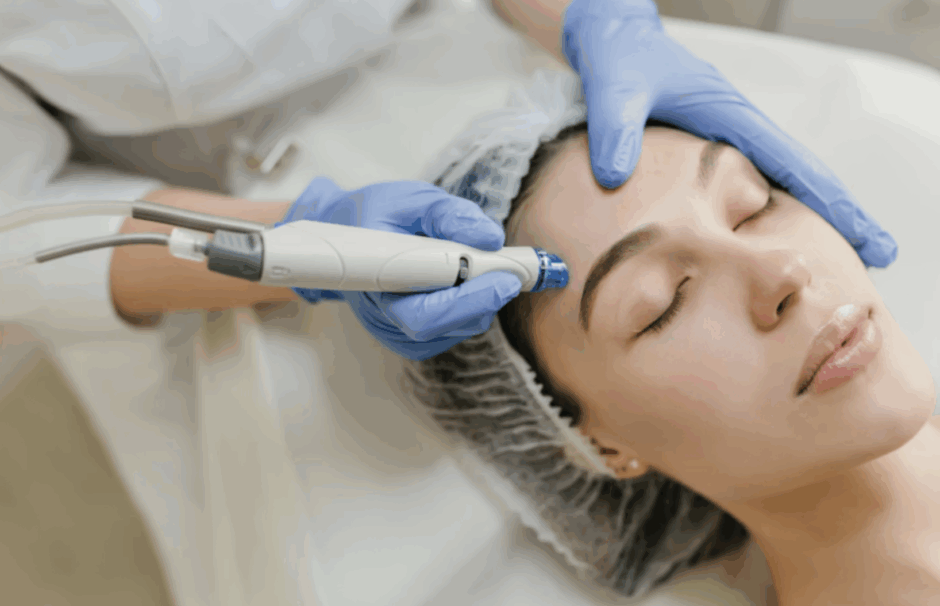
Alongside injectables, energy-based and skin-health treatments have grown into a major share of current demand. RF microneedling and Morpheus8 are frequently chosen for their ability to stimulate collagen production and improve skin texture over a series of sessions. HydraFacial has also become a consistent booking for patients focused on maintenance and overall skin health rather than structural correction.
Biostimulators and Regenerative Options Gain Ground
A newer category is drawing steady interest from patients who want gradual improvement without the immediacy of traditional fillers. Biostimulatory injectables like Sculptra prompt the body to produce its own collagen over time, while regenerative options such as PRP sit in a related but distinct space. Both reflect the broader preference for results that build rather than arrive all at once.
Why Modern Treatments Look More Natural
Skin Quality Matters as Much as Wrinkle Reduction
The focus of modern aesthetics has moved well beyond targeting individual lines. Patients today are thinking about facial harmony, overall texture, and skin health as a whole, a shift that practitioners often describe as the move toward natural-looking results rather than correction.
This broader goal connects directly to the rise of preventative aesthetics and what the industry calls prejuvenation. Younger patients in particular are starting treatments earlier, not to fix visible aging, but to preserve what they already have. The interest is not in dramatic change; it is in skin that looks healthy, even, and age-appropriate.
Improvements in fine lines, skin tone, and collagen production are now expected outcomes of a well-designed plan, not just side effects of a single procedure.
Treatment Plans Are Now Layered, Not One-Off
One of the most consistent patterns shaping today’s choices is combination planning. Rather than choosing a single high-impact procedure, patients are building plans around several lower-intensity options that work together over time. Botox, dermal fillers, and skin rejuvenation services are increasingly used alongside each other, with each addressing a different aspect of facial aging.
RF microneedling and skin-tightening treatments fit naturally into this layered model because they support collagen production gradually, which complements the more immediate results of injectables. This approach is part of a broader category of subtle cosmetic enhancements trending this year, where the appeal lies in results that accumulate rather than announce themselves.
Which Treatment Types Are Shaping Current Demand

Injectables for Movement, Volume, and Collagen
Not all injectables work the same way, and understanding the difference helps clarify why patients often use more than one. Neuromodulators like Botox and Xeomin relax the muscles responsible for expression lines, softening creases around the eyes and forehead without altering facial structure. Dermal fillers, by contrast, add volume to areas that have thinned or hollowed over time, addressing structural loss rather than movement.
Sculptra sits in its own lane as a biostimulatory injectable. Rather than filling directly, it prompts the body to produce collagen gradually, which makes it a preferred choice for patients seeking long-term improvement rather than immediate correction.
Devices and Facials That Improve Texture and Tone
Skin-quality treatments have grown into one of the most consistently requested categories, with patients focusing on texture, tone, and overall surface health. RF microneedling and Morpheus8 are among the most recognized options in this space. Both combine radiofrequency energy with microneedling to stimulate collagen, tighten skin, and improve texture over a series of sessions. The results build gradually, which aligns well with the layered approach to treatment planning discussed earlier.
HydraFacial occupies a different position. It functions as a maintenance treatment, supporting ongoing skin health through cleansing, hydration, and gentle exfoliation rather than structural change.
Regenerative Treatments Drawing Newer Interest
A separate and growing category sits outside traditional aesthetic groupings: regenerative aesthetics. PRP, exosomes, and Rejuran each work by signaling the skin to repair and renew itself, rather than adding volume or relaxing muscle.
PRP uses growth factors derived from the patient’s own blood, while exosomes introduce cell-signaling molecules to support tissue regeneration. Rejuran, which uses polynucleotides, has attracted attention for its skin-repair and collagen-stimulating properties. Peer-reviewed research continues to examine how these treatments perform across different skin concerns, and interest among both patients and practitioners has grown steadily.
How Patients Decide What Fits Their Goals
Age and Prevention Are Only Part of the Picture
Treatment selection rarely comes down to age alone. Patients weigh downtime, how subtle they want the results to be, and whether their goal is prevention or correction of something already visible.
Younger patients tend to gravitate toward preventative aesthetics, often starting with neuromodulators before exploring collagen-stimulating treatments as a long-term strategy. Those further along in the aging process are more likely to combine dermal fillers with biostimulatory injectables to restore facial harmony gradually rather than through a single, high-impact procedure. Maintenance frequency and recovery time also shape what feels realistic, as a patient with a demanding schedule may prioritize options that require minimal downtime, even if slower results are the trade-off.
New Demand Drivers Are Changing Consultations
Two patterns are shifting how consultations are structured in ways that were not common a few years ago. Male aesthetic treatments have grown into a consistent segment of clinic bookings, with male patients seeking natural-looking results through neuromodulators and skin-quality services rather than dramatic change.
Facial volume loss linked to GLP-1 and weight-loss medication use has also become a visible concern. Patients experiencing this often explore dermal fillers and biostimulatory injectables to address hollowing that develops alongside weight changes, requiring plans tailored to a different set of starting conditions than typical age-related volume loss.
Why Provider Skill Matters More Than Trends
Staying current with treatment names is far less important than understanding what actually shapes the outcome. Technique, clinical judgment, and a thorough grasp of facial anatomy are what separate natural-looking results from ones that fall short, regardless of which product is used.
This becomes especially relevant in regenerative aesthetics, where exosomes, PRP, and similar treatments are still being studied and refined. Evidence-based care matters here because the gap between a thoughtfully applied protocol and an overhyped one is wider than in more established categories. Provider expertise determines how well a treatment is matched to the patient’s actual skin quality and goals.
A well-designed plan accounts for facial harmony as a whole, not just the concern that prompted the consultation. Skin texture, volume distribution, and realistic expectations all factor into whether results look cohesive or mismatched. Patients who evaluate their provider’s clinical approach, not just their familiarity with trending treatments, tend to be far better positioned for outcomes they are genuinely satisfied with over time.
What Today’s Choices Say About Aesthetic Care
The broader pattern across modern aesthetics is not a single dominant treatment but a shift in how patients approach care altogether. Individualized planning, layered protocols, and gradual improvement have replaced the older model of one procedure solving one problem.
Patients are increasingly drawn to treatments that support collagen production over time, preserve what they already have through preventative aesthetics, and deliver natural-looking results that hold up without announcing themselves. Skin quality has become a central measure of success, not just wrinkle reduction.
The clearest takeaway is that today’s most requested treatments reflect a preference for outcomes that feel considered and proportionate, which is a meaningful change from where aesthetic care stood even a decade ago.
Related posts:







Stay updated, free articles. Join our Telegram channel

Full access? Get Clinical Tree


