In plastic surgery, outcomes are shaped long before the incision and long after the sutures are removed. Patient preparation, adherence to instructions, and recovery monitoring determine not only aesthetic results but also complication rates and patient satisfaction.
Traditionally, clinics rely on printed instructions, brief consultations, and follow-up visits to guide patients through this process. These methods leave gaps. Patients forget instructions, misunderstand warning signs, or delay reporting issues. Mobile health apps are closing these gaps by extending clinical care into the patient’s daily routine.
This article explains how mobile health apps are reshaping pre- and post-operative care in plastic surgery, what capabilities matter most, and how clinics can implement them without disrupting existing workflows.
The Role of Mobile Medical Apps in Pre- and Post-Operative Plastic Surgery Care
Plastic surgery patients require structured guidance outside the clinic. Mobile technology provides that structure.
Standardizing pre-operative preparation
Before surgery, patient readiness affects anesthesia safety, infection risk, and surgical precision. Mobile apps can deliver step-by-step preparation plans tailored to procedure type, patient profile, and timeline. This includes medication restrictions, fasting instructions, skin preparation, and lifestyle adjustments.
Unlike static documents, apps confirm task completion, send reminders, and flag non-compliance early. Clinics gain visibility into patient readiness instead of relying on last-minute verbal confirmation.
Improving post-operative monitoring and early intervention
Recovery is where most complications emerge. Swelling, infection, hematoma, or wound issues often develop between visits. Mobile apps enable patients to log symptoms, upload wound photos, and receive automated guidance based on predefined thresholds.
When integrated properly, a mobile medical app supports secure data capture, clinician dashboards, and alerting logic. This allows care teams to identify issues early, prioritize follow-ups, and reduce unnecessary emergency visits while maintaining compliance with healthcare regulations.
Enhancing patient education and compliance
Plastic surgery outcomes depend on consistent aftercare. Apps replace one-time verbal instructions with accessible, procedure-specific guidance available at any moment. Video tutorials, progress timelines, and symptom checklists reduce uncertainty and improve adherence.
For clinics, this translates into fewer repetitive inquiries, better documentation, and more predictable recovery trajectories across patient cohorts.
Best Practices for Implementing Mobile Health Apps in Surgical Workflows
Technology only delivers value when it fits clinical reality. Successful implementation follows clear principles.
Align app features with clinical decision points
Every feature should support a real decision or action. Effective apps focus on:
- Pre-op readiness verification
- Post-op symptom tracking tied to escalation rules
- Secure messaging for time-sensitive communication
Features that do not map to clinical workflows add friction rather than value.
Ensure regulatory and data security compliance from day one
Plastic surgery involves sensitive medical and photographic data. Apps must be designed with HIPAA or equivalent compliance, encrypted storage, role-based access, and audit trails. Retrofitting compliance later increases cost and risk.
Integrate gradually, not disruptively
The most successful clinics introduce apps in phases:
- Start with patient education and reminders
- Add symptom tracking and photo uploads
- Introduce clinician dashboards and alerts
This approach allows teams to adapt workflows without overwhelming staff or patients.
Measure outcomes, not downloads
App success should be measured by reduced complications, fewer missed instructions, faster intervention times, and higher patient satisfaction – not install counts. Data collected through the app should feed directly into quality improvement and operational planning.
Conclusion
Mobile health apps are no longer optional enhancements in plastic surgery care. They are becoming a structural component of safe, predictable, and scalable clinical practice.
By extending guidance, monitoring, and communication beyond the clinic walls, mobile apps improve patient compliance, reduce preventable complications, and give clinicians actionable insight into recovery progress. When designed around real surgical workflows and regulatory requirements, they strengthen both clinical outcomes and operational efficiency.
For plastic surgery practices and healthcare technology leaders, the opportunity is clear: mobile solutions are not replacing clinical expertise – they are amplifying it where it matters most.
Related posts:
 18: Wound Healing, Capsular Contracture, and Tissue Stretch: Factors Surgeon and Patient Cannot Control
 8: Implant Pocket Locations
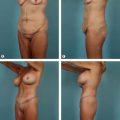 Belt lipectomy/circumferential abdominoplasty
 Combined abdominoplasty and breast enlargement by autologous tissue transfer or transabdominal implant placement
 Calf and thigh implants
 Breast reshaping after massive weight loss, implant based

Stay updated, free articles. Join our Telegram channel

Full access? Get Clinical Tree


