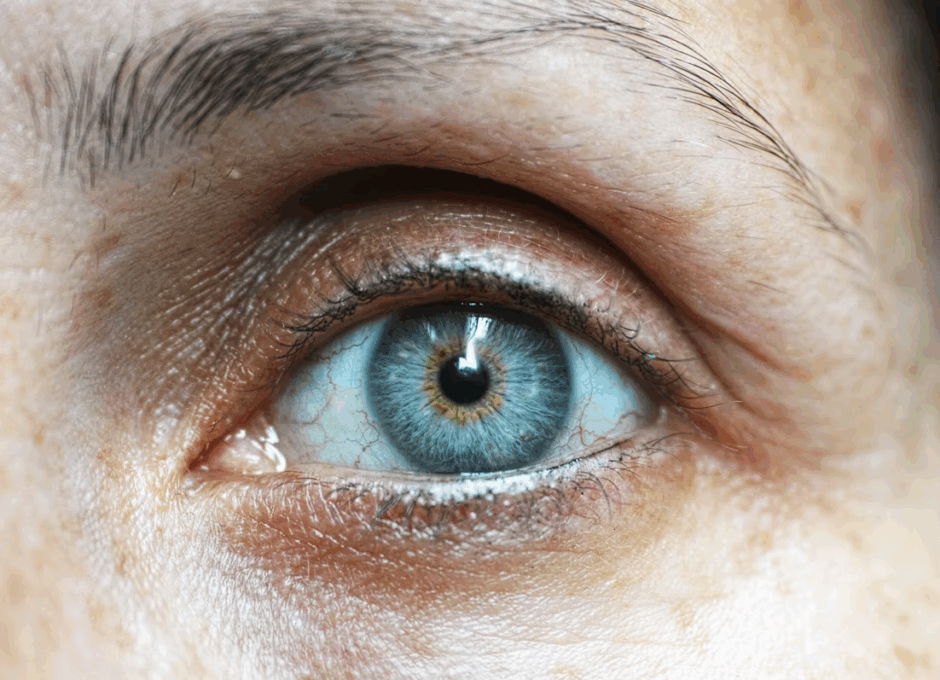
Photo by engin akyurt on Unsplash
Blepharoplasty is the surgical procedure for removing excess skin from the eyelids. This procedure is performed to address sagging eyebrows, droopy upper eyelids, and undereye bags resulting from age-related eyelid stretching and muscle weakening, which cause excess skin and fat to form below the eyelids.
While many people undergo eyelid surgery for aesthetic purposes, there can also be a functional purpose. When skin begins sagging around the eyes, it can reduce peripheral vision. Blepharoplasty is an effective surgical intervention that can reduce or eliminate this vision problem and produce a younger, more alert appearance.
How to Prepare for Blepharoplasty
Whether you’re undergoing eyelid surgery at VENUS MD or another clinic, you’ll want to ensure you’re as prepared as possible. This can begin with your medical history and goals. Your care provider will ask about any existing or past problems you’ve had, such as glaucoma, allergies, diabetes, or circulatory issues, as well as past surgical procedures. Also included in discussions are any use of herbal supplements, drugs, vitamins, alcohol, or tobacco.
Your goals are an important part of the preparation process, with your care provider asking what you wish to achieve from the surgery and whether eyelid surgery is expected to work well for you.
Undergo a Physical Exam
To ensure you’re as ready as possible for your eyelid surgery, you’ll likely be required to undertake an eye exam, including measuring parts of the eyelid and testing tear production. A visual field test is also common to check for blind spots in the corners of your eyes.
Next, photos will be taken from different angles to help with planning the surgery. These photos may also support an insurance claim.
What to Expect from Eyelid Surgery
In most cases, blepharoplasty is performed in an outpatient setting, which means you’ll need to arrange someone to drive you to and from your surgery and have someone stay with you for the first night after returning home. Before the procedure, you’ll be given injections into the eyelid to numb them, as well as drugs through an IV for relaxation.
During Surgery
As an upper eyelid procedure gets underway, the surgeon:
- Cuts along the eyelid fold
- Removes excess skin, muscle, and, sometimes, fat
- Closes the cut
During the lower lid part of the procedure, the surgeon:
- Cuts below your eyelashes or inside the lower eyelid
- Removes or redistributes excess skin, muscle, and fat
- Closes the cut
If your upper eyelid is drooping close to your pupil, your surgeon may also lift the eyelid.
After Surgery
After the procedure, you’ll spend time in a recovery room before being able to leave to heal at home if your surgeon is happy for you to do so. It’s common to experience the following post-surgery symptoms:
- Blurred vision from lubricating ointment in your eyes
- Watering eyes
- Double vision
- Pain or discomfort
- Puffiness
- Numbness
- Swelling and bruising
During the healing process, your care provider may offer the following instructions:
- Use ice packs on your eyes at regular intervals
- Use your prescribed eye drops or ointments
- Apply cool compresses to reduce swelling
- Sleep slightly elevated for a few days
- Wear dark sunglasses to protect your eyes from the sun and wind
- Don’t perform heavy lifting, swimming, aerobics, or jogging for a week
- Don’t smoke
- Refrain from rubbing your eyes
Bruising and swelling from blepharoplasty typically lessen within one to two weeks, while scars begin fading within months.
Whether you’re exploring blepharoplasty for aesthetic or sight reasons, you’ll be pleased to know it’s a straightforward procedure performed by highly skilled eye specialists. When meeting with your care provider, don’t hesitate to ask questions about what to expect from your surgery so you can be fully prepared for the procedure.
Related posts:


Stay updated, free articles. Join our Telegram channel

Full access? Get Clinical Tree


