Most people start thinking about hair removal when the warm, sunny days are already approaching. Unfortunately, by then it’s already too late: the ideal time to start preparing for silky-smooth skin is in the fall, 6–9 months before summer. It may seem like a long time at first, but it’s actually just the right amount of time, because a full course of laser hair removal usually consists of 6–8 sessions spaced 4–8 weeks apart, depending on the treatment area. It may sound complicated, but all you need to do is plan ahead a little. In this article, we’ll explain when to start laser hair removal for summer and how to prepare for it.
Why Preparation for Summer Starts in the Fall
To understand why laser hair removal is a lengthy process, we need to look at the stages of hair growth first. Just like your hair doesn’t grow overnight, it can’t be removed in a single session either. Different hairs on your body are in different stages of growth:
- Anagen (active growth)
- Catagen (transition)
- Telogen (resting)
Laser hair removal works best when the hair is in its active growth phase. Of course, not every hair on your body can be in that state simultaneously; that’s why it takes time to treat every follicle. Most people need 6–8 sessions, but the number may vary depending on a person’s skin type, treatment area, hair thickness, and skin sensitivity.
For the best results, sessions should be spaced 4–8 weeks apart. If you’re looking for laser hair removal in Oceanside, you can always consult a specialist to plan your sessions based on the treatment area and your skin type. When you start early, the whole process will be hassle-free, and you won’t have to expose your recently treated skin to the hot summer sun.
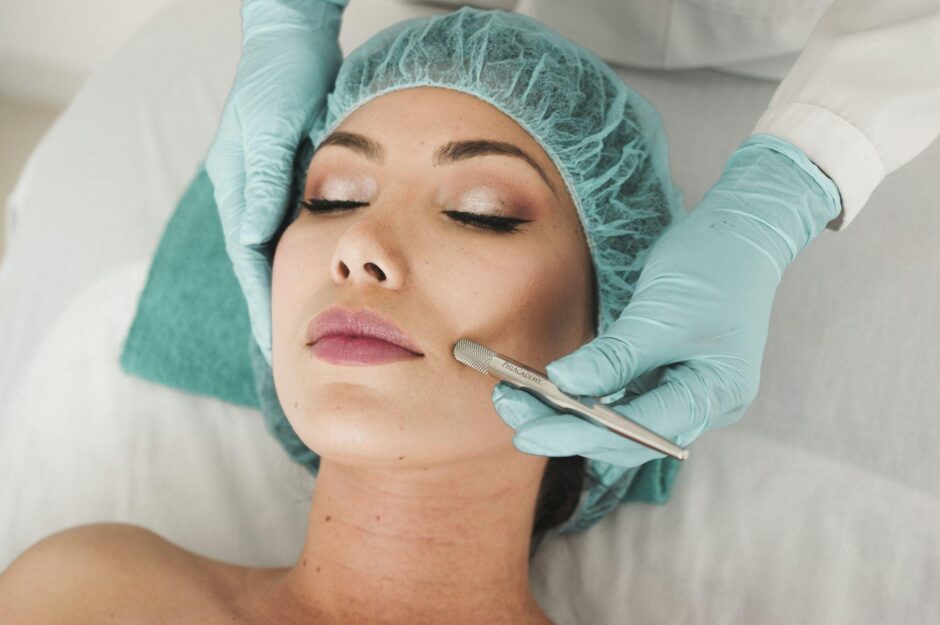
The Best Time to Start a Course and Seasonal Preparation
If you’re looking for the perfect time to start laser hair removal, we recommend starting between October and February. UV exposure is generally lower during these months, and you can see visible results as early as May. Let’s take a look at each season and what kind of preparation you need.
Winter
This is the safest time to start laser treatments due to lower UV levels. Your skin gets less sun exposure and is protected by the clothes you wear, although you should still apply sunscreen to any exposed areas. Additionally, you sweat less in winter than in other seasons, which may reduce irritation.
Spring
When it gets slightly warmer, most people start thinking about baring skin and making it look as smooth as possible. If you decide to get hair removal treatment in early spring, you may see some visible results before summer. However, it’s crucial to take extra care of your skin as the sun gets stronger. Follow aftercare recommendations carefully to avoid complications.
Summer
This season used to be considered unfavorable for laser hair removal, but as technology has improved, it has become possible to start this type of procedure during the warmer months, too. Some lasers can now safely treat darker skin tones, but a fresh tan still poses challenges: there’s less contrast between the hair and the skin, which increases the risk of burns and pigmentation changes. For summer procedures, you need to be especially diligent with aftercare: avoid direct sun, use sunscreen, and keep your skin moisturized.
Fall
This season is generally considered the best time for your laser hair removal course. There’s less UV exposure, and as your tan gradually fades, there’s a lower risk of pigmentation. The treated areas will be protected by layers of your clothes, and reduced sweating may help minimize irritation. But most importantly, if you start in the fall, you’ll see significant hair reduction by summertime.
The Equipment We Use
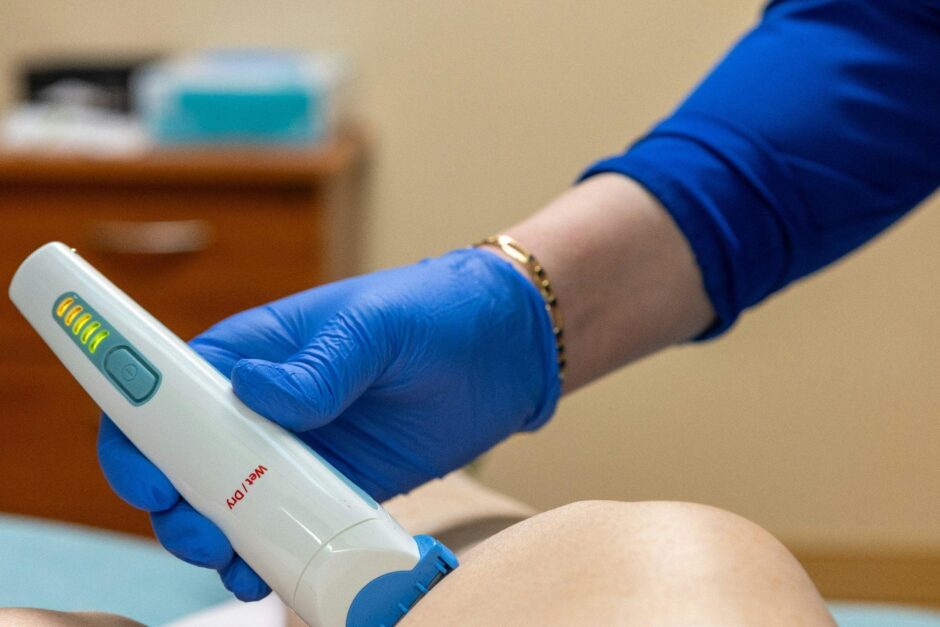
At BYou Laser Clinic, we use high-grade, FDA-cleared equipment for the best results. Our Candela GentleMax Pro provides non-invasive, precise treatment for all areas of your body, including the face, legs, underarms, and bikini area (including Brazilian).
Not only is this dual-wavelength laser very powerful and accurate, but it also has an built-in cooling feature to keep your treatment as comfortable as possible.
The machine is suitable for both dark and light skin tones and is capable of covering large areas of your body in very little time. For those with sensitive skin, the machine has adjustable pulse settings.
How to Prepare for Your Session
All skin types are different, so it’s always best to consult your clinician for details regarding your personal treatment. To avoid irritation and inflammation, there are a few things you should do before the procedure:
- Stop tanning or using self-tanner at least 2–4 weeks before your appointment (your clinician may recommend a longer period). It’s always best to protect the treatment area from direct sunlight.
- On the day of the treatment, make sure your skin is clean. Avoid using deodorants, lotions, or creams on the treatment area.
- Gently shave the treatment area 12–24 hours before the procedure, and make sure there’s no irritation or inflammation.
- Avoid hair removal methods that pull hair out by the root, such as epilation, sugaring, waxing, and plucking, for several weeks before treatment.
- Tell your clinician about your skincare routine in detail and whether you’re taking any medications, especially photosensitizing ones.
The American Academy of Dermatology Association also advises sharing all relevant information with your dermatologist before treatment. Have you tanned recently? Do you scar easily or get acne breakouts? Answering these questions honestly will help you avoid complications.
Possible Side Effects and How to Avoid Them
Side effects from this procedure are usually mild and temporary. You might notice some redness, swelling, or slight stinging. This usually passes within a few hours to two days, depending on the treatment area.
Other, less common side effects include burns, changes in skin pigmentation, folliculitis, and paradoxical hair growth (increased hair growth in or near the treated area).
To prevent complications, we advise you to follow these simple guidelines:
- Choose an experienced specialist who can advise you on the best treatment for the area you want to treat.
- Be honest about your medical history.
- Follow all the skin preparation steps.
- Don’t skip aftercare, and make sure your skin stays properly hydrated and protected from UV light.
In some cases, we advise you to avoid or postpone laser hair removal, including:
- Pregnancy
- Active cancer treatment
- Taking certain medications (e.g., isotretinoin or photosensitizing drugs)
- Acute skin inflammation in the treatment area
If you aren’t sure whether laser hair removal is right for you, it’s always wise to consult your doctor first.
Related posts:






Stay updated, free articles. Join our Telegram channel

Full access? Get Clinical Tree