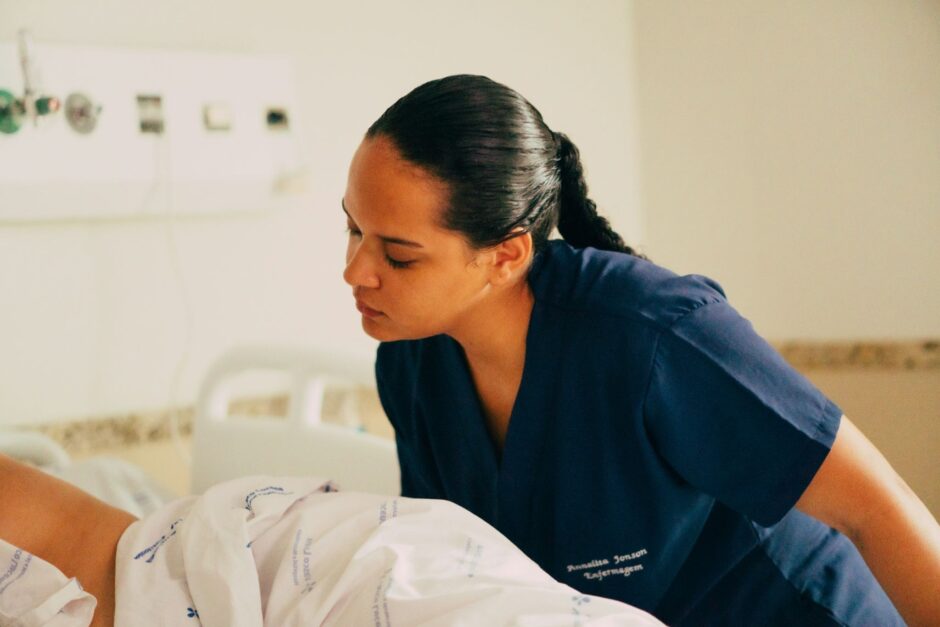
Recovery from body contouring is more than “taking it easy after surgery.” It is a significant area for nursing students because it brings together wound care, pain management, patient education, emotional support, and safety monitoring. A tummy tuck, liposuction, arm lift, thigh lift, or body lift can all have recovery periods that are just as important as the procedure itself.
For future nurses, knowing this recovery process will help you support your patients with confidence. After all, patients are often nervous, sore, and unsure about what is normal. You see their physical healing, but you also get the privilege of guiding them through this vulnerable phase with clarity and compassion.
Understanding Body Contouring and Why Recovery Matters
Body contouring refers to procedures that reshape areas of the body by removing excess fat, loose skin, or both. Patients often choose these procedures after significant weight loss, pregnancy, aging, or any change in body shape. But body contouring is not a quick fix. Surgery is only one part of the journey. Recovery is the bridge from the operation to the final result.
Nursing students need to understand that recovery can be all over the place. Someone who has minor liposuction may be able to return to light activities sooner than someone who has a full lower body lift. Factors including age, nutrition, smoking, diabetes, hydration, and general health can all influence the healing process.
Recovery is like building a house. You build the foundation first. The surgery builds the structure, but good care, rest, and monitoring ensure everything settles in safely and smoothly.
Coursework can also shape how well nursing students understand recovery care. Lectures, clinical notes, case studies, and written tasks often connect theory with real patient needs. When students study topics like wound care or pain control, they must explain them clearly and safely. That is not always easy during a busy semester. A resource focused on nursing assignments help can support this learning process when students need to organize complex nursing ideas into structured academic work. The goal is not to replace clinical thinking. Instead, it can help students see how patient symptoms, nursing actions, and safety concerns fit together. This matters because body contouring recovery requires careful observation, accurate language, and strong decision-making.
Common Recovery Symptoms Nursing Students Should Recognize
Common side effects after body contouring include swelling, bruising, tightness, numbness, and discomfort. You can expect these symptoms, especially during those first few days and weeks. But nursing students need to know the difference between normal healing and warning signs.
Often, one of the biggest worries is swelling. The body appears puffy, and patients may worry that the procedure “did not work.” Patient education is important here. Swelling may persist for weeks or even months, depending on the procedure.
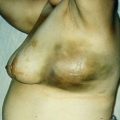
Bruising is common too and usually settles with time. Some numbness may occur after surgery due to the involvement of small nerves. Sensation frequently returns with time, but any abnormal changes should be reported by patients.
Another important area is pain. Mild to moderate pain is normal; severe or increasing pain may signal a problem. As a nursing student, you should record the level of pain, the location, the timing, and whether medication helps.
Red Flags That Need Medical Attention
There are many expected symptoms, but there are some signs that should never be ignored. These can include fever, sudden severe pain, shortness of breath, chest pain, heavy bleeding, foul-smelling drainage, spreading redness, or one-sided leg swelling.
These problems may be signs of infection, bleeding, blood clots, or other complications. Nursing students need to understand that early reporting can prevent serious outcomes. When in doubt, it is always safer to escalate concerns to a qualified healthcare provider.
Wound Care, Compression, and Drain Management
Body contouring recovery involves a lot of wound care. Keep incisions clean and check for signs of infection. Nursing students need to learn how to assess the edges of an incision, drainage, the color and odor of drainage, swelling, and the temperature of the skin surrounding a wound.
Patients may also wear compression garments post-surgery. These garments help to reduce swelling, support tissues, and improve comfort. But they have to be a good fit. If they are too tight, they can affect blood circulation. If they are too loose, they might not provide enough support.
Some patients may require surgical drains. These drains help to remove extra fluid from the surgical area. Nursing students should be able to measure, empty, and record drains. Details like drain output, color, and sudden changes are important.
Patient Teaching for Home Care
Patient education is one of the most useful nursing skills during recovery. Patients need to know how to care for incisions, when to wear compression garments, how to move safely, and when to call their provider.
Precise instructions count. Instead of saying, “Watch for infection,” tell them what that means: increased redness, warmth, swelling, pus-like drainage, fever, or worsening pain. Simple language helps patients feel more in charge.
Mobility, Pain Control, and Daily Activity
Rest is important, but complete bed rest in general is not recommended unless specifically ordered. A little bit of movement helps the circulation and may reduce the risk of blood clots. Nursing students should promote ambulation as directed by the healthcare team.
Patients may need help with standing, walking, bathing, and moving about. They may not be able to stand up straight after abdominal surgery at first. Nurses should advise patients to take their time and not to stretch suddenly or lift heavy objects.
Also, pain control is important. If pain is not well controlled, patients may not move, may breathe shallowly, or may become anxious. Meanwhile, medication safety is important too. Patients should take their prescribed doses and not mix medications without approval.
Ease back into everyday activities. Many people will not be able to drive, work, exercise, or lift heavy objects for a period of time. Nursing students should help foster realistic expectations. Recovery is not a race; it is more like a slow climb up a hill.
Emotional Support and Body Image During Recovery
Recovery from body contouring is not only physical. Many patients go through emotional ups and downs. One day they may be excited, and the next day, they may be discouraged. Swelling, bruising, scars, and temporary limits may affect body image.
Nursing students should remember that patients may not look the way they hoped, which can be frustrating. A patient may wonder, “Why do I still look swollen?” or “Is this normal?” Your calm response can make a difference.
Be sympathetic. Listen without judgment. Remind the person that healing takes time and that final results may not be immediately evident. Emotional support is like a soft pillow during a hard recovery. It does not fix everything, but it makes the process more bearable.
Signs of anxiety, depression, or unrealistic expectations should also be monitored. Some patients may require additional support from the surgical team, mental health professionals, or support groups.
Conclusion: Safe Recovery Starts With Knowledge
Body contouring recovery offers nursing students a valuable lesson: healing is a whole-body experience. It includes skin, muscles, circulation, emotions, and daily habits. Nurses are vital to patients’ safe recovery, monitoring symptoms, helping with wound care, encouraging mobility, managing pain, and providing clear education.
Nursing students are not expected to know every detail of every procedure. The goal is to understand the recovery pattern, recognize warning signs, and communicate with care. Informed and supported patients are more likely to follow instructions, report problems early, and move through recovery with confidence.
Ultimately, recovery from body contouring is about more than just changing the shape of your body. It is about helping people get well safely, patiently, and with dignity.
Disclaimer: This article is for informational and educational purposes only. It should not be taken as medical advice, diagnosis, or treatment guidance.
Related posts:


Stay updated, free articles. Join our Telegram channel

Full access? Get Clinical Tree


