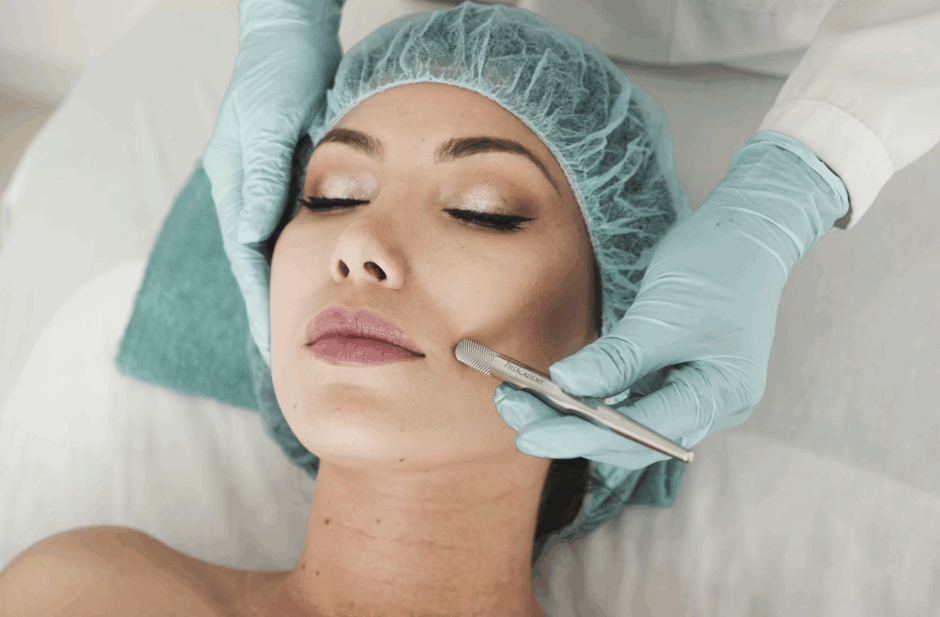
Source: https://unsplash.com/photos/woman-doing-liposuction-on-her-face-PqyzuzFiQfY
Plastic surgery isn’t just about aesthetics – it can be life-changing, medically necessary, or purely personal. For students curious about the healthcare system, insurance, or future procedures, understanding how insurance works for different plastic surgery types is both useful and empowering.
But let’s clear one thing up: insurance doesn’t treat all plastic surgeries the same. Some are covered without question, while others will cost you out-of-pocket unless specific conditions are met.
Before diving deeper, it’s worth learning how to explain these topics – whether in a health policy class or a debate. Getting a PowerPoint presentation done by experts can help students break down complex insurance rules into something understandable. Use this for class projects or even to prepare your own questions for a doctor. And remember, don’t stop at one slide deck – ask follow-ups, research terms, and check your own health plan.
Now let’s explore what’s covered, what’s not, and what matters most.
Reconstructive vs. Cosmetic Surgery: Why It Matters
The biggest factor determining whether insurance pays is the purpose of the procedure:
- Reconstructive surgeries aim to restore normal function and appearance due to injury, illness, or congenital issues.
- Cosmetic surgeries are elective and done for appearance; insurance rarely covers these.
Let’s unpack both categories.
Common Reconstructive Surgeries That Are Usually Covered
These procedures are often covered by insurance when deemed medically necessary:
1. Post-Trauma Reconstructive Surgery
After car accidents, burns, or other trauma, reconstructive surgery helps patients recover appearance and function. Most health plans will cover these costs – especially if the surgery helps with mobility, speech, or vision.
2. Breast Reconstruction After Mastectomy
One of the most widely covered reconstructive surgeries is breast reconstruction following a mastectomy. In many countries, including the U.S., this is legally required to be covered by insurance under acts like the Women’s Health and Cancer Rights Act.
3. Cleft Lip and Palate Repair
These birth defects can interfere with eating, breathing, and speaking. Insurance usually covers the surgical repair, especially when treatment starts early in childhood.
4. Skin Grafts for Burns or Chronic Ulcers
If the skin is damaged beyond healing, skin grafts are essential for recovery. These are considered medically necessary and are routinely covered by insurance.
What About Cosmetic Surgery?
This is where it gets tricky. Purely elective cosmetic procedures are rarely covered, but there are a few gray areas worth knowing.
1. Rhinoplasty (Nose Jobs)
- Not Covered: If you’re unhappy with the shape of your nose.
- Possibly Covered: If you have a deviated septum causing breathing issues, a septoplasty may be approved, and cosmetic adjustments could be included if done simultaneously.
2. Breast Augmentation or Reduction
- Augmentation: Usually not covered unless correcting a congenital defect.
- Reduction: Often covered if the patient suffers from chronic back or neck pain. Medical documentation is required.
3. Tummy Tuck (Abdominoplasty)
This is generally considered cosmetic and not covered. However, if done alongside hernia repair or for post-weight-loss skin removal that causes infections, there may be partial coverage.
Here’s a breakdown that helps clarify when things might be approved:
Procedures Insurance Might Cover (with conditions):
- Eyelid surgery (if vision is impaired)
- Breast reduction (if documented medical symptoms exist)
- Nose reshaping (if breathing is obstructed)
- Skin removal after weight loss (if rashes or infections occur)

Tips for Students Navigating Plastic Surgery Insurance
As a student, you might not need surgery right away – but being insurance-literate will serve you well, especially if you’re under a parent’s plan or exploring your own.
Here are three quick tips:
- Read your health plan summary – Know what your insurer considers “medically necessary.”
- Ask for pre-authorization – For borderline procedures, this can determine approval.
- Get a doctor’s letter – Documentation that shows medical need increases your chance of coverage.
The Role of Private Insurance vs. Public Plans
In countries with public healthcare (like the UK or Canada), cosmetic surgeries are usually excluded, but reconstructive procedures are often provided with referrals and long wait times.
Private insurance in these countries may offer more flexibility – some plans even offer partial cosmetic coverage as add-ons.
In the U.S., employer-sponsored plans and student health insurance can vary dramatically. If you’re on a college plan, review whether it includes surgical benefits or excludes elective procedures altogether.
Talking to Surgeons About Insurance
If you’re considering a procedure – now or later – choose surgeons who:
- Are in-network with your insurance.
- Offer billing support to handle pre-authorizations and appeals.
- Provide itemized cost breakdowns for both covered and non-covered elements.
This makes the billing process clearer and gives you leverage when negotiating fees.
Hidden Costs Students Should Watch Out For
Even if the surgery is covered, there can be out-of-pocket charges:
- Anesthesia
- Facility fees
- Follow-up visits
- Prescriptions
Ask upfront what’s included in your estimate.
When Students Pay Out of Pocket: Budgeting Tips
Sometimes, you may choose to pay out-of-pocket. In that case, a little planning goes a long way.
- Check for financing plans: Many clinics offer monthly payments.
- Save gradually: If it’s not urgent, setting aside $50/month can add up.
- Use student discounts or referral bonuses: Some clinics run seasonal offers.
Also, consider this – if you’re writing a paper on healthcare systems or the ethics of cosmetic surgery, you’ll need reliable sources. Sites like EssayPro can connect you to experts, which helps break down complex topics like insurance coverage.
One More Thing…
Students interested in law, healthcare, or social justice will find the insurance side of plastic surgery fascinating. It intersects with gender, income, trauma recovery, and even cultural beauty norms. If you’re thinking about writing on this topic, services like EssayPro can guide you with structure and clarity.
It’s worth noting that Annie Lambert, an expert at EssayPro, has written extensively about the overlap between health, ethics, and academic success – especially where the right essay writing service can take the pressure off.
Related posts:




Stay updated, free articles. Join our Telegram channel

Full access? Get Clinical Tree


