Thirty is not old. Nobody needs to be told that. But it is the point at which several health systems that have been quietly ticking along without much input start to benefit from some deliberate attention. The eyes are a good example of this.
Most people in their twenties never think about eye health because nothing has gone wrong. Vision has been stable, screens have not caused obvious problems, and the idea of a routine eye test feels premature. Then something shifts. The screen starts to feel harder to read by late afternoon. A menu held at reading distance is suddenly not quite close enough. A headache pattern emerges that was not there before.
These are not dramatic warnings. They are the early signals of changes that respond well to early attention and considerably less well to being ignored for another decade. Starting the right habits at thirty, rather than waiting until something becomes a problem, is the difference between managing eye health proactively and managing the consequences of not doing so.
Why Your Thirties Are the Right Time to Start
The eyes begin to show the early signs of age-related change earlier than most people expect. The crystalline lens starts losing flexibility gradually from around the mid-thirties, well before presbyopia becomes noticeable in daily life. The early stages of this process do not produce obvious symptoms but they do mean the visual system is working progressively harder to maintain near focus, which contributes to the eye strain and end-of-day fatigue that many people in their late thirties start noticing for the first time.
Chronic dry eye, which affects a significant proportion of adults and is worsened by screen time, contact lens wear, and environmental factors, tends to become more persistent in the thirties as tear film production begins to change. Conditions like glaucoma, which develops silently over years, are far easier to manage when detected early through routine testing than when identified after significant damage has already occurred.
The habits that protect eye health over the long term are not difficult. They require consistency more than effort, and building them in the thirties means they are established long before they become urgent.
Get a Routine Eye Test and Actually Keep the Schedule
This is the most important habit on the list and the most widely skipped. Most adults go for an eye test when something feels wrong, when their glasses stop working properly, or when they can no longer put it off. Routine testing on a regular schedule regardless of whether anything feels wrong is a different approach with meaningfully different outcomes.
An eye test screens for conditions that develop without symptoms, including glaucoma, early macular changes, diabetic retinopathy, and hypertensive changes in the retinal blood vessels. The optician examining the back of the eye has a direct view of tissue and blood vessels that are invisible anywhere else in the body without invasive procedures. Findings in routine eye tests have led to referrals for neurological and cardiovascular conditions that the patient had no prior indication of.
The standard recommendation is every two years for adults with no existing conditions. For contact lens wearers, every year. For anyone with a family history of glaucoma, diabetes, or other conditions affecting eye health, follow the guidance from your optician on frequency. The appointment takes around thirty minutes. There is genuinely no good reason to keep pushing it back.
Use Lubricating Eye Drops Before You Need Them
Most people only reach for eye drops when their eyes are already uncomfortable. A more effective approach is building them into a daily eye care routine before significant dryness sets in.
Lubricating eye drops supplement the natural tear film and provide a protective layer on the corneal surface. For anyone spending significant daily time in front of screens, wearing contact lenses, working in air-conditioned environments, or simply living in a low-humidity climate, the tear film is under consistent pressure. Applying drops once or twice daily, before extended screen sessions or contact lens wear, maintains the corneal surface in better condition than waiting until it is already dry and irritated.
Preservative-free eye drops are the better choice for regular daily use. Preserved formulations are fine for occasional use but can cause cumulative irritation with the frequency of application that a daily routine involves. They are available without prescription in most pharmacies and online, and the difference in eye comfort over the course of a long working day from using them consistently is one that most people notice within a week of starting.
For contact lens wearers specifically, drops formulated for use with lenses are worth using rather than standard artificial tears, which can affect lens comfort and optical clarity.
Update Your Prescription When It Changes, Not When It Breaks
Prescription glasses with an outdated correction contribute to eye strain in a way that most people attribute to screens, tiredness, or stress rather than to lenses that no longer match how their eyes currently see.
Vision changes gradually and the brain compensates for small shifts well enough that the change is often not consciously noticed until a new prescription makes the previous one obviously inadequate in comparison. In the thirties, when vision is often still stable but beginning to shift, keeping the prescription current means catching small changes before they have been compensated for silently over a year or two.
Updating glasses to reflect a current prescription removes the compensation work the visual system is doing through outdated lenses. The cognitive resources that go into that compensation are available for concentration and focus instead, which is why a new prescription often produces improvements in energy and alertness that seem out of proportion to a relatively small change in lens power.
Build Screen Habits That Actually Protect the Eyes
Screen time is not going away. For most people over thirty with professional and personal lives that run through devices, reducing screen time to a theoretically healthy level is not a practical goal. Managing the effects of necessary screen time is the more realistic approach.
The 20-20-20 rule is worth building into a working day as a habit rather than treating as optional guidance. Every twenty minutes, looking at something twenty feet away for twenty seconds gives the ciliary muscles that control near focus a genuine reset. Set a quiet recurring reminder and follow it consistently for a week. The difference in how the afternoon feels compared to a day without breaks is noticeable enough that most people continue the habit once they have experienced it.
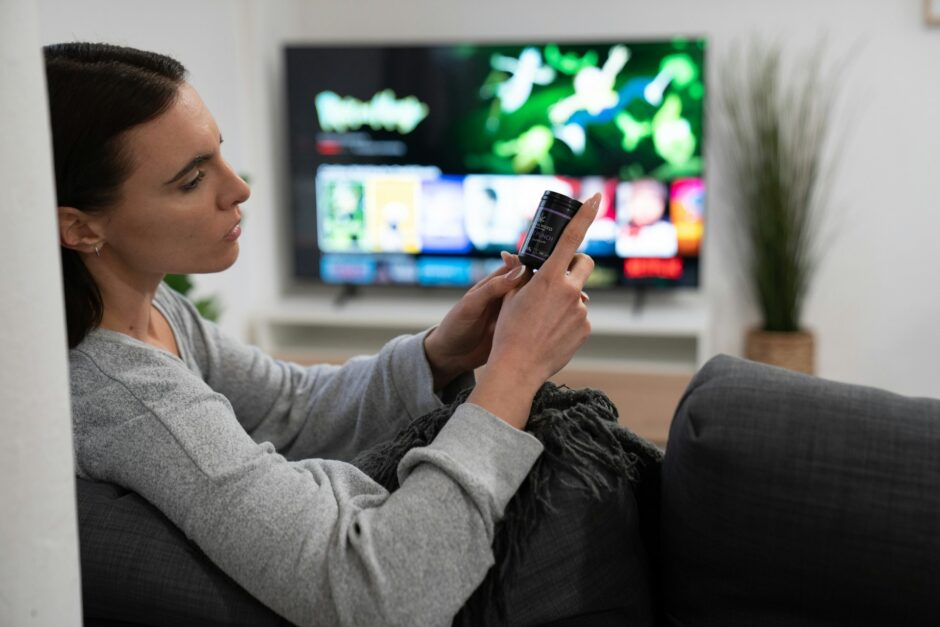
Screen brightness matching the ambient room lighting removes the high-contrast boundary that the visual system manages continuously when a bright screen sits against a darker room. Most modern devices adjust automatically when the setting is enabled. Enabling it takes thirty seconds.
Deliberate blinking during intensive screen use replenishes the tear film that reduced blink rate depletes. Full blinks, not the partial blinks most people default to during concentration, are what spread the tear film properly across the corneal surface. Reminding yourself to blink fully a few times during any concentrated work session is one of those habits that sounds trivial and produces a genuinely noticeable result.
Think Carefully About Contact Lens Habits
Contact lenses worn correctly and kept to appropriate wearing schedules are safe and practical. Contact lenses worn beyond their replacement schedule, slept in when they are not designed for overnight wear, or used without the discipline of regular eye tests are a consistent source of avoidable problems.
In the thirties, contact lens wear and early dry eye often start to interact in ways that did not occur in the twenties. The tear film changes that come with age, combined with the reduced blinking of screen-heavy days, can make contact lens comfort in the afternoon noticeably worse than it used to be. This is the point at which lubricating drops designed for contact lens use become particularly valuable, and also the point at which discussing lens material options with an optician is worth doing. Silicone hydrogel lenses that allow higher oxygen transmission through the lens surface perform better in dry conditions than older hydrogel materials, and switching lens type can produce a significant improvement in daily comfort.
Protect Your Eyes From UV Year-Round
UV protection for the eyes is worth treating as a daily consideration rather than a holiday one. UV radiation reaches the eye on overcast days, through cloud cover, and throughout the year, and cumulative UV exposure over a lifetime contributes to cataract development and macular degeneration in ways that are well established in the research.
Glasses or sunglasses with UV400-rated lenses block all ultraviolet radiation in the relevant spectrum. For people who wear prescription glasses outdoors regularly, confirming that the lenses carry a UV coating is a check worth making. Clear prescription lenses do not automatically include UV protection unless it is specified. The addition is typically modest in cost and meaningful in long-term protection.
The Honest Case for Starting Now
The habits described in this article are not complicated. What makes them worth starting at thirty rather than later is the compounding nature of eye health over time. Conditions that are easy to monitor and manage in their early stages become more challenging once they have had years of unmanaged development. A prescription kept current through regular testing, a tear film maintained through consistent use of lubricating eye drops, and eyes protected from UV and screen strain through sustainable daily habits are the foundations of eye health that the decades beyond thirty build on.
The eyes work every waking moment without being asked. They respond well to being looked after properly and show the effects of not being looked after in ways that are slow, cumulative, and considerably harder to reverse than they would have been to prevent.
Related posts:






Stay updated, free articles. Join our Telegram channel

Full access? Get Clinical Tree