James personally analyzed Certificates of Analysis for all 5 products reviewed in this guide. User-effect data was sourced independently from Reddit and Trustpilot rather than relying on brand marketing.
If you’re searching for the best lion’s mane supplement, here’s the short answer: MushCanyon Lion’s Mane is our top overall pick for 2026. It’s a dedicated Lion’s Mane formula that’s third-party tested, vegan, non-GMO, and delivers a straightforward formulation without unnecessary proprietary blends.
But picking the right lion’s mane mushroom supplement requires more than trusting a single recommendation. Quality varies dramatically across lion’s mane supplements, and the difference between a well-made product and a low-grade filler capsule can be significant.
This guide walks you through the evaluation criteria that actually matter:
- Fruiting body vs mycelium disclosure
- Beta-glucan content
- Extraction method transparency
- Third-party testing for purity and potency
- Clear dosage and ingredient labeling
We’ll also cover what the clinical research says about Lion’s Mane, what it doesn’t say, and how to separate real science from marketing hype. Effects from lion’s mane supplementation are gradual and accumulate over weeks of consistent use. This isn’t a magic pill. It’s a functional mushroom with promising but still-developing evidence behind it.
Let’s get into it.
How We Chose the Best Lion’s Mane Supplements
We applied six criteria to every product in this comparison:
- Formula quality and ingredient transparency. We favored products that clearly disclose Lion’s Mane content per serving, mushroom material type, and extraction method. Good labels for supplements avoid proprietary blends that obscure ingredient quantities.
- Fruiting body vs. mycelium content. Most human clinical trials have used fruiting body material. We weighted fruiting body products and fruiting body/mycelium blends higher than mycelium-only products grown on grain substrates.
- Standardization and potency. We prioritized products that disclose beta-glucan or polysaccharide percentages. Monitor beta-glucan content instead of just overall mushroom weight on labels; it’s a more reliable indicator of bioactive potency.
- Third-party testing and safety certifications. Third-party testing ensures supplement quality and potency. We looked for USDA Organic, GMP certification, non-GMO verification, and accessible Certificates of Analysis.
- Value and cost per serving. We calculated cost per serving and, where possible, cost per milligram of standardized active compounds.
- User experience and convenience. Format (capsule, powder, coffee blend), taste, dosing simplicity, and shelf stability all factored in.
Best Lion’s Mane Supplements for 2026
1.MushCanyon Lion’s Mane: Best Overall
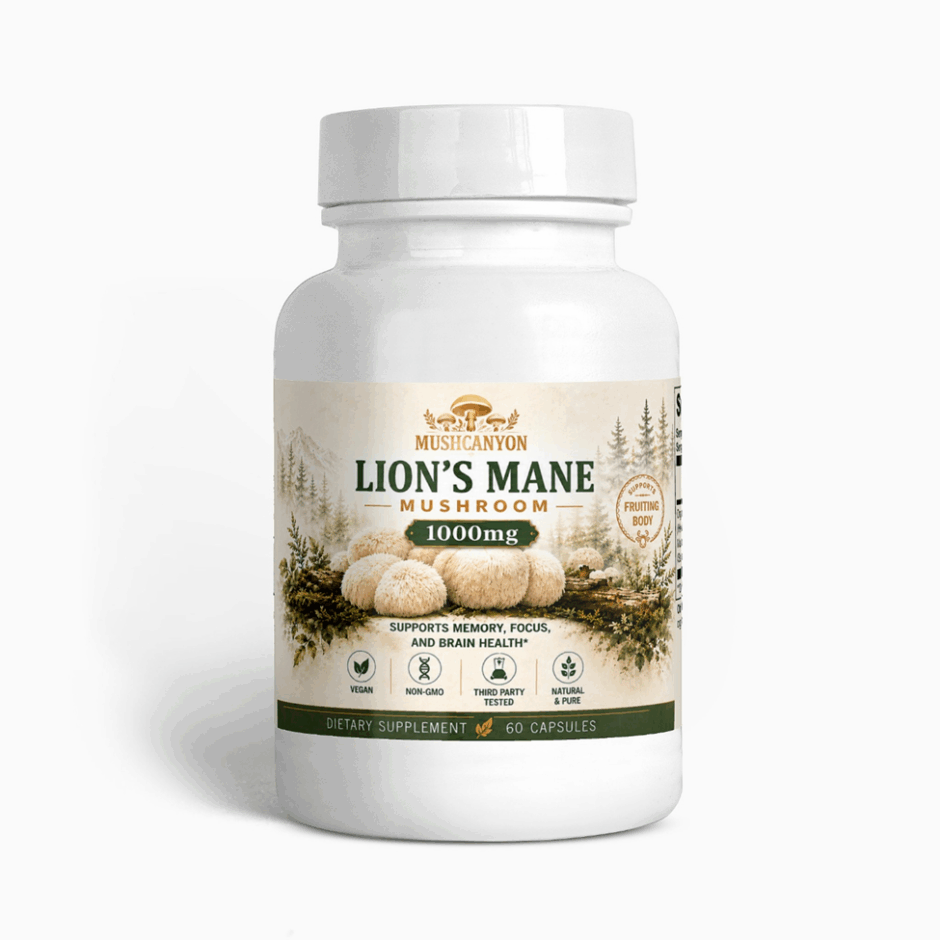
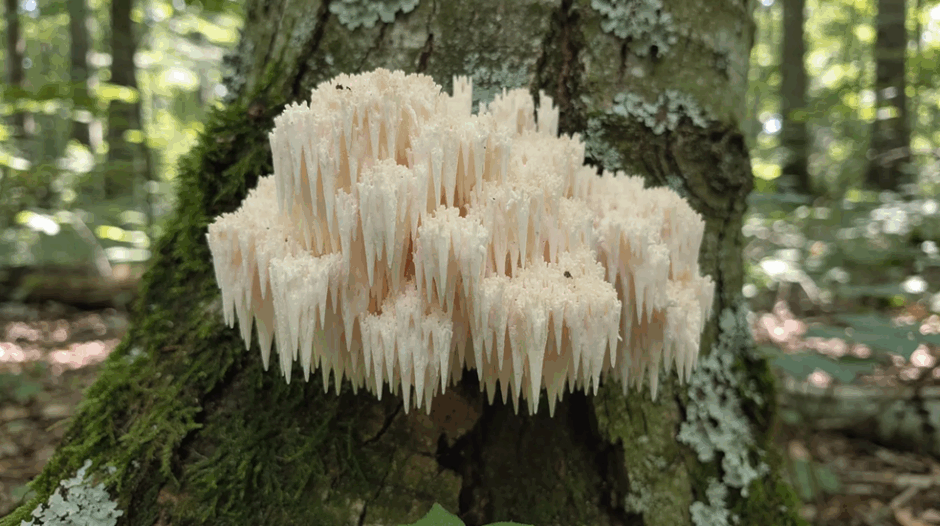
MushCanyon earns the top spot for combining ingredient transparency, polysaccharide standardization, and capsule convenience in a single product. It provides a clearly stated amount of lion’s mane material per serving with a 40% polysaccharide standardization, which is higher than several competing products in this comparison.
Our rating: 9.5/10 Format: Capsules
Key Product Features
- 100% lion’s mane-focused formula (no multi-mushroom blend)
- Organic fruiting body and mycelium powder
- Standardized to 40% polysaccharides (400 mg per serving)
- 60 vegan pullulan capsules per bottle
- Third-party tested
- Made in the USA
- Vegan and non-GMO
Pros and Cons
Pros
- Clearly disclosed lion’s mane ingredient and polysaccharide percentage
- Higher polysaccharide standardization (40%) than most competitors
- Convenient capsule format
- Vegan, dairy free, and gluten free
- Third-party tested with transparent labeling
- Focused formula with just lion’s mane
Cons
- Contains both fruiting body and mycelium (not exclusively fruiting body)
- Two capsules required per serving
- Does not disclose a specific beta-glucan percentage separately from polysaccharides
- Limited availability compared to larger brands
Our Thoughts
MushCanyon is a straightforward option for shoppers who want a dedicated lion’s mane mane supplement in capsule form rather than a powder or mushroom coffee. The formula keeps things simple: one mushroom, clearly labeled amounts, and a polysaccharide standardization of 40%, which sits above what many brands disclose.
We found the vegan pullulan capsule format easy to incorporate into a daily routine. The emphasis on ingredient transparency and third-party testing addresses the two most common concerns buyers have about dietary supplements in this category. The product avoids unnecessary fillers or flow agents, which matters in a market where some lion’s mane products may contain fillers instead of active compounds.
The main consideration is that the formula uses both fruiting body and mycelium rather than being exclusively fruiting body extract. For buyers specifically looking for products that mirror the preparations used in published human research, this is worth noting. That said, combining both sources may provide a broader spectrum of compounds, including both hericenones (from the fruiting body) and erinacines (from mycelium).
Overall, MushCanyon is a solid pick for consumers who prioritize a simple lion’s mane formula, transparent labeling, and easy daily use.
Specs
| Specification | Details |
| Product | MushCanyon Lion’s Mane |
| Mushroom | Hericium erinaceus |
| Form | Capsules |
| Bottle size | 60 capsules |
| Serving size | 2 capsules |
| Mushroom material | Organic fruiting body & mycelium powder |
| Standardization | 40% polysaccharides |
| Polysaccharides per serving | 400 mg |
| Capsule type | Pullulan |
| Vegan | Yes |
| Non-GMO | Yes |
| Third-party tested | Yes |
| Manufacturing | USA |
| Suggested use | 2 capsules daily |
Who Is It Best For?
People who prefer capsules, want a focused lion’s mane product, and value third-party testing and clear polysaccharide disclosure.
Who Should Skip It?
People specifically seeking 100% fruiting body extract, or those wanting a powder they can mix into drinks or smoothies.
2. Real Mushrooms Organic Lion’s Mane: Best for Fruiting Body Extract
Real Mushrooms has built its reputation on one principle: 100% fruiting body, no grain fillers, no mycelium on substrate. Their organic lion’s mane extract capsules guarantee over 30% beta-glucans, verified by third-party testing.
Our rating: 8.8/10 Format: Capsules (also available as powder)
Key Product Features
- 100% organic lion’s mane fruiting body extract
- Hot water extracted
- Guaranteed >30% beta-glucans
- No grain, starch, or mycelium fillers
- USDA Organic, non-GMO, gluten free
- Available in capsule and powder formats
Pros and Cons
Pros
- Whole fruiting body only; no substrate contamination
- Published beta-glucan percentage (>30%)
- USDA Organic certification
- Well-established brand with ConsumerLab recognition
- Available as both capsules and powder for flexible dosing
Cons
- Hot water extraction only (not dual extraction), which may miss some fat-soluble terpenoids
- Higher price point than budget alternatives
- Powder version has an earthy flavor some users find strong
- Single extraction method limits compound spectrum
Our Thoughts
Real Mushrooms is the strongest option for buyers who want fruiting body products with zero ambiguity about what’s in the capsule. The brand has earned recognition from independent testing organizations, and their >30% beta-glucan guarantee provides a quantitative benchmark that most competitors don’t offer.
The hot water extraction method effectively isolates water-soluble beta-glucans and polysaccharides. The trade-off is that ethanol-soluble compounds like certain hericenones may be present in lower concentrations compared to dual-extracted products. For users focused on immune health and polysaccharide-driven benefits, this extraction method is well-suited. For those prioritizing the full spectrum of lion’s mane compounds, a dual extract might be worth considering.
The powder version provides about 300 mg of beta-(1,3)/(1,6)-glucans per 1 g serving and works well mixed into drinks or smoothies. The capsule version offers the same extract in a more convenient format.
Real Mushrooms is a reliable choice for anyone who wants certified organic mushrooms, high beta glucan content, and the confidence that comes from a transparent, fruiting body-only formula.
Specs
| Specification | Details |
| Product | Real Mushrooms Organic Lion’s Mane |
| Mushroom | Hericium erinaceus |
| Form | Capsules / Powder |
| Mushroom material | 100% organic fruiting body |
| Extraction | Hot water |
| Beta-glucans | >30% |
| Certifications | USDA Organic, Non-GMO, Gluten-Free |
| Third-party tested | Yes |
| Vegan | Yes |
| Suggested use | 2 capsules daily |
Who Is It Best For?
People who want 100% fruiting body extract with verified beta-glucan content and organic certification.
Who Should Skip It?
Budget-conscious shoppers, or those who want a dual-extracted product for a broader compound profile.
3. Host Defense Lion’s Mane: Best for Mycelium Formula
Host Defense, founded by mycologist Paul Stamets, takes a different approach. Their lion’s mane capsules use mycelium grown on organic brown rice substrate, based on the premise that mycelium contains erinacines, which are compounds that may stimulate nerve growth factor production through a different pathway than fruiting body hericenones.
Our rating: 7.8/10 Format: Capsules
Key Product Features
- Mycelium-based formula grown on organic brown rice
- Certified organic (USDA), Non-GMO Project Verified
- Freeze-dried to preserve compounds
- Vegan, gluten free
- Two capsules per serving (1 g mycelium material)
- Widely available at major retailers
Pros and Cons
Pros
- Strong brand trust and mycological expertise behind the product
- Certified organic and Non-GMO
- Widely available in retail stores
- May provide erinacines not found in fruiting body-only products
- Freeze-dried processing
Cons
- Contains brown rice substrate as part of the capsule weight, diluting mushroom concentration per gram
- No beta-glucan percentage disclosed on label
- Not a fruiting body extract; less aligned with most published human clinical trials
- Lower potency per capsule compared to concentrated extracts
- Some consumer criticism about substrate content
Our Thoughts
Host Defense occupies a unique position in the lion’s mane market. The brand’s scientific credibility is anchored in Paul Stamets’ decades of mycological research, and the product uses mycelium specifically because erinacines (found in mycelium, not fruiting body) have shown nerve growth factor-stimulating properties in preclinical research.
The trade-off is substrate content. When mycelium is grown on grain, the final product includes a portion of that grain material. This means the active mushroom compound concentration per gram is lower than in a fruiting body extract or a concentrated mushroom extract. The label doesn’t disclose beta-glucan percentages, which makes it harder to compare potency directly with products like Real Mushrooms or MushCanyon.
For buyers who specifically want a mycelium-based product, Host Defense is the most recognized option. For those prioritizing potent supplements with high concentrations of beta-glucans or standardized active compounds, a fruiting body extract will deliver more per capsule.
Specs
| Specification | Details |
| Product | Host Defense Lion’s Mane |
| Mushroom | Hericium erinaceus |
| Form | Capsules |
| Mushroom material | Mycelium on organic brown rice |
| Extraction | Freeze-dried (not extracted) |
| Beta-glucans | Not disclosed |
| Certifications | USDA Organic, Non-GMO Project Verified |
| Vegan | Yes |
| Gluten-free | Yes |
| Serving size | 2 capsules (1 g) |
| Manufacturing | USA |
Who Is It Best For?
People who prefer mycelium-based products, value the Stamets research philosophy, and want a widely available organic option.
Who Should Skip It?
Buyers looking for high-potency concentrated extracts or those who want disclosed beta-glucan percentages.
4. Nootropics Depot Lion’s Mane 8:1 Extract: Best for High Potency
Nootropics Depot’s 8:1 dual extract capsules are built for users who want maximum concentration per capsule. The 8:1 ratio means 8 parts raw lion’s mane mushroom are concentrated into 1 part extract, and the dual extraction (water + ethanol) captures both water-soluble polysaccharides and fat-soluble terpenoids like hericenones.
Our rating: 8.7/10 Format: Capsules
Key Product Features
- 8:1 dual extract (hot water + ethanol) from fruiting body
- 500 mg per capsule
- Fruiting body only, no mycelium or grain filler
- Dual extraction captures broader compound spectrum
- In-house and third-party tested
- Also available as 1:1 extract powder (standardized to 25% beta-glucans)
Pros and Cons
Pros
- Highest concentration ratio in this comparison (8:1)
- Dual extraction for both water-soluble and ethanol-soluble compounds
- Fruiting body only
- 500 mg per capsule is a practical single-capsule dose
- Known for rigorous in-house testing
Cons
- Beta-glucan percentage not prominently listed on the 8:1 product
- Higher price per bottle than budget options
- May be more potent than necessary for beginners
- Less widely available in retail compared to Host Defense or Real Mushrooms
Our Thoughts
Nootropics Depot’s 8:1 extract is the product for users who have already tried lion’s mane and want to maximize the amount of active compounds per capsule. The dual extraction method is a genuine differentiator: hot water extraction isolates water-soluble beta-glucans, while ethanol extraction pulls hericenones and other fat-soluble terpenoids. This matters because hot water or dual extracts unlock beneficial compounds that single-extraction methods can miss.
The 8:1 ratio means each 500 mg capsule contains the equivalent bioactive content of approximately 4 g of raw fruiting body material. For context, one clinical trial used 3 g of a 10:1 fruiting body extract and observed improvements in executive function, working memory, and attention within 90 minutes of a single dose. A single capsule of Nootropics Depot’s product delivers a comparable concentrated dose.
The limitation is accessibility. This is not a product designed for people new to mushroom supplements, and the price reflects the extraction complexity. But for experienced users prioritizing cognitive performance and neurological health, it’s one of the strongest options available.
Specs
| Specification | Details |
| Product | Nootropics Depot Lion’s Mane 8:1 |
| Mushroom | Hericium erinaceus |
| Form | Capsules |
| Mushroom material | 100% fruiting body |
| Extraction | Dual (hot water + ethanol) |
| Extract ratio | 8:1 |
| Per capsule | 500 mg |
| Beta-glucans | Not prominently disclosed (25% on 1:1 powder) |
| Third-party tested | Yes |
| Vegan | Yes |
| Manufacturing | USA |
Who Is It Best For?
Experienced supplement users who want the most concentrated lion’s mane extract with broad-spectrum compound coverage.
Who Should Skip It?
Beginners, budget shoppers, or anyone who prefers a simpler whole-mushroom powder approach.
5. Four Sigmatic Lion’s Mane Coffee: Best for Beginners
Four Sigmatic blends lion’s mane extract with organic coffee, making it one of the easiest entry points for people curious about functional mushrooms but not ready to commit to capsules or pure powder. The mushroom coffee format masks the earthy flavor of lion’s mane with the familiar taste of coffee.
Our rating: 7.5/10 Format: Instant coffee packets
Key Product Features
- Lion’s mane extract blended with organic instant coffee
- Single-serve packets for daily use
- Contains additional functional ingredients (varies by product line)
- Organic, vegan
- Lower lion’s mane dose per serving than capsule products
- No capsules or pills required
Pros and Cons
Pros
- Easiest format for beginners; replaces morning coffee routine
- Pre-portioned packets for convenience
- Masks the earthy flavor of mushroom extract
- Organic and third party tested
- Low commitment entry point
Cons
- Lower dose of lion’s mane per serving than dedicated capsules or powders
- Contains caffeine (not suitable for caffeine-sensitive users)
- More expensive per mg of lion’s mane than standalone supplements
- Lion’s mane dose not always clearly broken out on label
- Not ideal for users seeking therapeutic-level doses
Our Thoughts
Four Sigmatic solved a real problem: most people who could benefit from lion’s mane supplementation never start because capsules feel like medication, and mushroom powder tastes like dirt. Mushroom coffee sidesteps both objections. You brew a packet, drink it like coffee, and get a sub-therapeutic dose of lion’s mane extract along with your caffeine.
The limitation is dosage. Capsules typically contain 500 mg to 1 g of lion’s mane per serving. Four Sigmatic’s lion’s mane dose per packet is lower, and it’s often blended with other ingredients. This product is a gentle introduction; it is not a replacement for a full-dose lion’s mane supplement if you’re pursuing cognitive support at the dosages used in clinical research (1 to 3 g daily).
For someone who has never tried lion’s mane and wants to test the waters, Four Sigmatic is a practical starting point. Once you’ve decided lion’s mane works for you, transitioning to a dedicated capsule or powder product will deliver more active compounds per serving.
Specs
| Specification | Details |
| Product | Four Sigmatic Lion’s Mane Coffee |
| Mushroom | Hericium erinaceus (blended) |
| Form | Instant coffee packets |
| Mushroom material | Lion’s mane extract (fruiting body) |
| Additional ingredients | Organic coffee, varies by product |
| Certifications | Organic, Vegan |
| Caffeine | Yes |
| Third-party tested | Yes |
| Serving format | Single-serve packet |
Who Is It Best For?
Beginners, coffee drinkers who want an easy introduction to lion’s mane, and people who dislike capsules.
Who Should Skip It?
Anyone seeking research-level doses, caffeine-sensitive individuals, or users who want a pure lion’s mane product.
6. Double Wood Supplements Lion’s Mane: Best Budget Option
Double Wood Supplements offers an affordable lion’s mane supplement that hits the basic requirements: 1,000 mg per serving, fruiting body extract, and a price point that undercuts most competitors. For budget-conscious buyers, this is the most accessible way to start taking lion’s mane consistently.
Our rating: 7.6/10 Format: Capsules
Key Product Features
- 1,000 mg lion’s mane per serving (two capsules)
- Fruiting body extract
- 120 capsules per bottle (60 servings)
- Manufactured in a GMP certified facility in the USA
- Non-GMO, gluten free
- One of the lowest cost-per-serving options in this category
Pros and Cons
Pros
- Among the most affordable lion’s mane supplements available
- 1,000 mg per serving meets the lower end of research dosing
- Fruiting body extract (not mycelium on grain)
- 60 servings per bottle provides a two-month supply
- GMP certified manufacturing
Cons
- Does not disclose beta-glucan or polysaccharide percentages
- Extraction method and ratio not specified on label
- Less brand recognition than Real Mushrooms or Host Defense
- No USDA Organic certification
- Limited information about sourcing
Our Thoughts
Double Wood Supplements fills the gap for buyers who want an affordable lion’s mane supplement without paying premium prices. The 1,000 mg per serving from fruiting body extract is a solid baseline, and the 120-capsule bottle provides a two-month supply, which matters because lion’s mane supplements require consistent use for noticeable benefits.
The main trade-off is transparency. Double Wood does not disclose beta-glucan content, extraction ratio, or detailed sourcing information. High-end brands will list the percentage of beta-glucans in supplements, and this absence makes it harder to compare potency with products like Real Mushrooms (>30% beta-glucans) or MushCanyon (40% polysaccharides).
For someone starting out who wants to test lion’s mane for a few weeks before investing in a premium product, Double Wood delivers acceptable value. The product is manufactured in a GMP certified facility, which provides a baseline of manufacturing quality. Users who find lion’s mane works for them can later upgrade to a product with disclosed standardization and more rigorous testing.
Specs
| Specification | Details |
| Product | Double Wood Supplements Lion’s Mane |
| Mushroom | Hericium erinaceus |
| Form | Capsules |
| Bottle size | 120 capsules |
| Serving size | 2 capsules (1,000 mg) |
| Mushroom material | Fruiting body extract |
| Beta-glucans | Not disclosed |
| Certifications | GMP, Non-GMO, Gluten-Free |
| Organic | No |
| Third-party tested | Yes |
| Manufacturing | USA |
Who Is It Best For?
Budget-conscious buyers, people new to lion’s mane who want to try it at low cost, and anyone who prioritizes servings per dollar.
Who Should Skip It?
Users who need verified beta-glucan content, organic certification, or detailed sourcing transparency.
Quick Comparison of the Best Lion’s Mane Supplements
| Product | Type | Extract Ratio | Beta-Glucans / Polysaccharides | Fruiting Body / Mycelium | Certifications | Format | Servings | Our Rating |
| MushCanyon | Powder (in capsule) | N/A | 40% polysaccharides | Both | Organic, Non-GMO, GMP | Capsules | 30 | 9.5 |
| Real Mushrooms | Hot water extract | 1:1 | >30% beta-glucans | Fruiting body only | USDA Organic, Non-GMO | Capsules/Powder | 30-60 | 8.8 |
| Host Defense | Freeze-dried | N/A | Not disclosed | Mycelium on grain | USDA Organic, Non-GMO | Capsules | 30-60 | 7.8 |
| Nootropics Depot | Dual extract | 8:1 | Not disclosed (25% on 1:1) | Fruiting body only | GMP | Capsules | 60 | 8.7 |
| Four Sigmatic | Extract in coffee | N/A | Not disclosed | Fruiting body (blended) | Organic | Coffee packets | 10-20 | 7.5 |
| Double Wood | Extract | Not disclosed | Not disclosed | Fruiting body | GMP, Non-GMO | Capsules | 60 | 7.6 |
What Is Lion’s Mane?
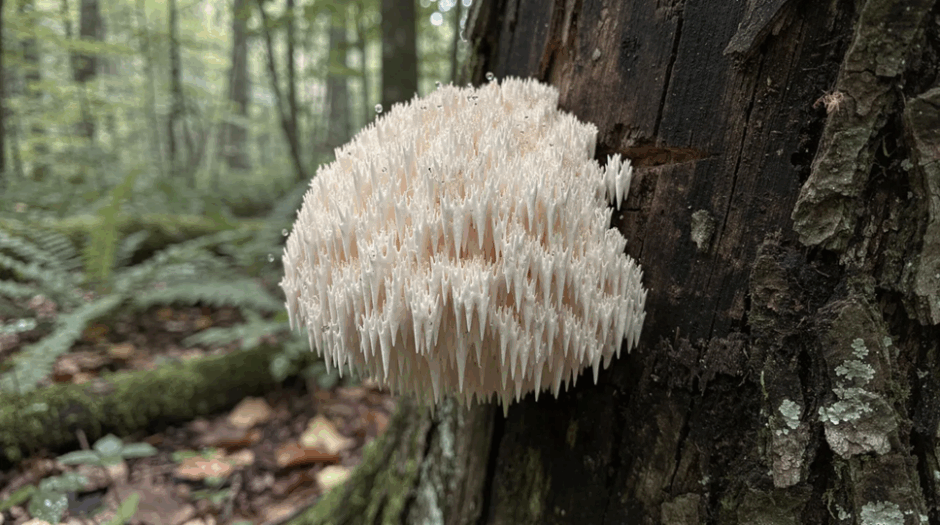
Lion’s Mane (Hericium erinaceus) is an edible mushroom recognized by its distinctive cascading white spines. Unlike the cap-and-stem shape most people associate with mushrooms, Lion’s Mane looks more like a white waterfall hanging from hardwood trees.
This smart mushroom has been used for centuries in traditional Chinese medicine and Japanese Kampo for digestive health, fatigue, and cognitive support. It’s consumed both as food and as a medicinal preparation across East Asia, making it one of the more thoroughly studied functional mushrooms.
What makes Lion’s Mane interesting from a modern science perspective are its bioactive compounds. The fruiting body is the actual mushroom that contains beta-glucans and hericenones, while mycelium is the root structure that can contain erinacines. These two compound families are at the center of current neurological research. Fruiting bodies contain hericenones while mycelium contains erinacines, and both are being investigated for their role in nerve growth factor synthesis and neuroprotection.
Research suggests lion’s mane may enhance cognitive function and nerve health. Lion’s mane also contains beta-glucans that support immune function, and it acts as a prebiotic, promoting beneficial gut bacteria. These overlapping benefits across brain health, immune system support, gut health, and cellular health are why Lion’s Mane has gained so much attention in the supplement industry.
What Does the Science Actually Say?
This is where most supplement articles fall short. They either overstate the evidence or cherry-pick animal studies to make sweeping claims. Here’s a more balanced look at what the human research actually shows.
Lion’s Mane and Memory
The most robust human evidence for Lion’s Mane involves memory and cognitive function in older adults or those with mild cognitive impairment.
A 2025 systematic review published in Frontiers in Nutrition examined five randomized controlled trials and three pilot clinical trials. Across these studies, participants taking Lion’s Mane showed modest but statistically significant improvements in mini-mental state exam (MMSE) scores, with a weighted mean increase of approximately +1.17 points compared to placebo groups.
One study linked lion’s mane to improved cognitive performance in older adults, particularly those already experiencing mild cognitive impairment. Interventions typically lasted 8 to 12 weeks.
These are promising findings, but they come with important caveats: small sample sizes, short study durations, and limited diversity in study populations.
Memory improvements are encouraging but not yet consistently replicated in large, long-term randomized controlled trials. Lion’s Mane may support memory, but it’s not a proven treatment for memory loss.
Lion’s Mane and Focus
Lion’s mane may improve working memory and attention based on recent clinical evidence, though the research is still limited.
A 2026 randomized controlled trial with 109 adults aged 40–75 used daily supplementation of 2g Lion’s Mane (fruiting body and mycelial biomass) over 8 weeks. Participants showed significant improvements in visual attention, working memory, and subjective sleep quality compared to placebo.
However, effects on executive function and processing speed were less clear. Many focus-related claims you’ll find online are based on anecdotal reports rather than controlled trials. The clinical research on lion’s mane for focus is promising but still early-stage.
Lion’s Mane and Mood
Several studies have investigated Lion’s Mane for mood support. The 2025 systematic review found significant decreases in standardized depression and anxiety scales (Zung’s scales) in an 8-week trial with overweight and obese adults. Participants also reported improvements in sleep quality and emotional stability.
These are meaningful findings, but they don’t justify claiming that Lion’s Mane “treats anxiety or depression.” Results vary with population, baseline mood status, and study duration.
The more accurate framing: Lion’s Mane may support mood and psychological wellbeing under certain conditions, but it’s not a substitute for professional mental health care.
Lion’s Mane and Brain Health
This is where the mechanistic evidence is strongest, though most of it remains preclinical.
Lion’s mane stimulates nerve growth factor synthesis. In laboratory and animal studies, hericenones and erinacines appear to increase NGF and BDNF, promote hippocampal neurogenesis, protect brain cells from oxidative stress, and regulate neurotransmitter systems including serotonin and GABA. Lion’s mane has shown potential neuroprotective effects in studies using animal models.
There’s also growing interest in the gut-brain axis connection. Some animal studies show changes in gut microbiota and increased short-chain fatty acid-producing bacteria after Lion’s Mane supplementation.
Regular lion’s mane use may support long-term brain health, though long-duration human trials are rare. One notable exception is a 49-week pilot study in Taiwan with mild Alzheimer’s disease patients using a mycelial preparation enriched with erinacine A, which showed improvements in global cognition. But this used a specialized, enriched product and had a small sample size.
Lion’s mane is considered an optional supplement for cognitive wellness, not a proven therapy for neurological conditions. The distinction between laboratory evidence and human evidence matters here, and the science is still working toward stronger clinical confirmation.
Lion’s Mane Fruiting Body vs Mycelium: Which Is Better?
This is one of the most searched questions about Lion’s Mane, and the answer is more nuanced than most supplement blogs suggest.
Fruiting body is the visible mushroom structure with the cascading spines. It’s where hericenones and most beta-glucans are concentrated. Fruiting body products from high-quality sources typically test at 30–40% beta-glucans by dry weight.
Mycelium is the thread-like fungal network that grows within a substrate. Erinacines, the compounds most studied for neurological mechanisms, are primarily found here. However, commercial mycelium is often grown on grain, and the final product frequently includes significant amounts of leftover substrate.
Here’s where quality concerns arise. Mycelium grown on grain substrates often tests below 5% beta-glucans, with most polysaccharide content coming from residual grain starch rather than mushroom bioactives. Avoid products with heavy grain fillers that dilute active compounds.
Beta-glucan content indicates mushroom extract quality. If a product doesn’t disclose its beta-glucan percentage, that’s a red flag.
That said, mycelium isn’t automatically inferior. Erinacines have real scientific interest, particularly for neuroprotection. The problem is that most commercial mycelium-on-grain products don’t deliver meaningful concentrations of these compounds. Unless the mycelium is substrate-separated or specifically enriched, fruiting body products tend to offer a more reliable bioactive profile.
A 2026 comparative study found that Lion’s Mane strain beta-glucan content varied around 17.44% in whole fruiting body material, underscoring that even fruiting body content depends on strain, cultivation methods, and processing.
What Makes the Best Lion’s Mane Supplement?
Here are the seven criteria that separate a high-quality mushroom supplement from a low-grade product.
Criterion 1: Ingredient transparency
High-quality supplements disclose ingredient amounts clearly. You should know exactly what’s in each capsule or serving, including the mushroom species, tissue type, and any additional ingredients. Look for clear species identification of lion’s mane supplements on the label.
Criterion 2: Fruiting body vs mycelium disclosure
The label should state whether the product uses fruiting body, mycelium, or both. Vague terms like “Lion’s Mane complex” or “full spectrum blend” without proportions are not sufficient.
Criterion 3: Beta-glucan and polysaccharide content
Look for guaranteed beta-glucan percentages on supplement labels. For fruiting body products, expect at least 20–25% beta-glucan content by dry weight. Products that only list “polysaccharides” without specifying beta-glucans may be inflating numbers with starch content.
Criterion 4: Extraction method
Hot water extraction breaks down chitin walls for better absorption of polysaccharides and beta-glucans. Dual extraction adds alcohol to extract lipid-soluble compounds like hericenones and erinacines. Neither method is universally superior; what matters is that the extraction approach matches the compounds being targeted.
Criterion 5: Third-party testing
Third-party lab testing verifies purity and potency of supplements. Look for products with third-party testing that covers heavy metals, microbial contamination, identity verification, and potency confirmation. ConsumerLab’s methodology for evaluating Lion’s Mane products includes verifying beta-glucan content, heavy metals via ICP-MS, and tablet disintegration standards.
Mushrooms can absorb heavy metals from their growing medium, making independent testing especially important for dietary supplements.
Criterion 6: No unnecessary proprietary blends
If a product combines multiple mushroom species or extracts without disclosing individual amounts, you can’t evaluate what you’re actually getting. Avoid products with mycelium grown on grain substrates unless the manufacturer provides evidence of substrate separation.
Criterion 7: Clear dosage guidelines
Clinical studies have typically used 1–3 grams per day of Lion’s Mane preparations. The serving size and number of servings per container should be obvious on the label.
How Much Lion’s Mane Should You Take?
There isn’t one universal “correct” dose. Clinical studies have used different preparations and dosages, making direct comparisons difficult.
Here’s what the research and product landscape look like:
| Form | Typical Consideration |
| Whole mushroom powder | 1–3g daily; depends on concentration |
| Extract (e.g., 8:1) | Lower gram-weight needed; follow label |
| Standardized extract | Match manufacturer’s serving size |
| Capsules | Follow label; typical doses range from 500mg–1,500mg per serving |
| Gummies | Follow label; typically 1g per serving |
Clinical research has most commonly used 1.8–3g per day of fruiting body or mixed preparations over 8 to 12 weeks. Capsules typically provide a consistent dosage of lion’s mane, which makes them a practical choice for daily routines.
The key insight: consistency matters more than megadosing. Taking lion’s mane regularly over a few weeks is more important than taking a large single dose. Cognitive benefits tend to accumulate gradually.
When Should You Take Lion’s Mane?
The honest answer is that timing matters less than consistency.
Morning: Many people prefer taking lion’s mane in the morning, especially those using it for mental clarity and focus during work hours. Since Lion’s Mane doesn’t contain caffeine, it won’t cause the jitteriness associated with stimulants and won’t disrupt sleep if taken later.
Evening: Some users take Lion’s Mane before bed, particularly those who noticed improvements in sleep quality in their routine. The 2026 RCT noted subjective sleep improvements among participants.
With or without food: Taking lion’s mane on an empty stomach may improve absorption for some people, though taking it with food can reduce any mild digestive discomfort. Either approach is fine.
The bottom line: pick a time that fits your routine and stick with it. Consistency over weeks is what the research supports, not obsessing over morning vs evening timing.

Lion’s Mane Side Effects & Safety
Lion’s mane is generally well-tolerated in healthy adults based on available clinical data. No serious adverse effects have been reported in clinical trials of lion’s mane across study durations of 4 to 12 weeks.
Mild side effects may include digestive discomfort or allergic reactions. The 2025 systematic review noted the following potential adverse effects:
- Mild gastrointestinal discomfort
- Headache
- Diarrhea
- Rarely, changes in menstrual patterns
Lion’s mane should be avoided by individuals with mushroom allergies or sensitivities to fungi. Pregnant or breastfeeding individuals should consult a healthcare provider before use.
If you’re taking medications, particularly immunosuppressants or anticoagulants, talk to a qualified healthcare professional before starting any new dietary supplements.
We deliberately avoid saying Lion’s Mane is “completely safe” because long-term safety data beyond 12 months is very limited. For most healthy adults taking standard dosages over the durations studied, the safety profile is reassuring but not exhaustive.
Who Should Consider Lion’s Mane?
Lion’s Mane may be worth exploring if you fall into one of these categories:
- Students and young adults looking for cognitive support during demanding academic periods, without relying on caffeine or stimulants for steady energy
- Working professionals interested in supporting mental clarity and cognitive performance over long workdays
- Adults over 40 curious about long term brain health and maintaining cognitive function as they age
- Functional mushroom enthusiasts who already use reishi supplements, turkey tail, or other supplements and want to add a brain-focused mushroom to their routine
- People seeking caffeine-free options for whole body wellness and overall health without the crash cycle
Lion’s Mane is not a replacement for medical treatment. Avoid treating it as a solution for diagnosed neurological conditions, clinical depression, or Alzheimer’s disease. Scientific research is investigating these areas, but the evidence doesn’t support making treatment claims.
Lion’s Mane vs Other Mushrooms
Different mushrooms serve different purposes. Here’s how Lion’s Mane compares to other popular functional mushrooms.
Lion’s Mane vs Reishi
Reishi mushroom is primarily studied for immune health, stress adaptation, and sleep. Lion’s Mane is more focused on cognitive and neurological health. If your goal is brain health and cognitive support, Lion’s Mane is the more targeted choice. If you want immune system support and relaxation, a reishi mushroom product may be more relevant. Many people stack both.
Lion’s Mane vs Cordyceps
Cordyceps is associated with energy, endurance, and athletic performance. Lion’s Mane targets the nervous system and brain cells rather than physical energy. These two complement each other well for people wanting both steady energy and cognitive benefits.
Lion’s Mane vs Chaga
Chaga is rich in antioxidants and is studied for immune support and anti-inflammatory effects. Lion’s Mane stands apart with its unique focus on nerve growth and neurological health. There’s minimal overlap in their primary applications.
Lion’s Mane vs Mushroom Complex Products
Mushroom complex blends combine multiple species (often 10+) into a single supplement. The issue is that each mushroom may be present in such small amounts that none reaches a meaningful dosage. If cognitive health is your priority, a product with just lion’s mane at a research-relevant dose is likely more effective than a blend with trace amounts of everything.
How to Choose the Right Lion’s Mane Supplement
Choose Based on Your Experience Level
Beginners: Start with a standard capsule product at a moderate dose. Products like Double Wood or MushCanyon provide a straightforward entry point. Give it at least 4–8 weeks of consistent use before evaluating whether lion’s mane works for you. Many people notice subtle changes after a few weeks rather than immediate effects.
Experienced users: If you’ve used Lion’s Mane before and want stronger potency, consider concentrated extracts like Nootropics Depot’s 8:1 extract. You can also experiment with combining fruiting body products with mycelium-based options to get both hericenones and erinacines.
Choose Based on Form Preference
Lion’s mane supplements come in capsules, powders, and gummies. Each has tradeoffs:
- Capsules offer convenience and consistent dosing. Best for daily routines.
- Mushroom powder offers flexibility. You can add it to coffee, smoothies, or food. Useful for people who dislike swallowing pills.
- Lion’s mane extract (concentrated) delivers more active compounds per gram but costs more.
- Gummies are accessible but may contain added sugars and lower concentrations.
Choose Based on Quality Standards
Regardless of form, prioritize these quality markers:
- Third party testing with published results or available COA
- Verified beta-glucan percentages (not just “polysaccharides”)
- Clear disclosure of mushroom tissue (fruiting body, mycelium, or both)
- Organic certification if pesticide-free sourcing matters to you
- Manufacturing transparency, including country of origin and facility standards
Fruiting body products tend to offer more reliable beta glucan content and beneficial compounds, but the best product is one that transparently backs up its claims with testing data.
Which Lion’s Mane Supplement Is Best for You?
Here’s a simplified decision framework:
- Choose MushCanyon if you want the best lion’s mane for overall quality, transparency, and a focused formula that’s third-party tested and caffeine-free.
- Choose Real Mushrooms if you specifically want an organic fruiting body supplement from a brand that publishes beta-glucan content, and budget is a consideration.
- Choose Host Defense if you trust established mushroom brands and are specifically interested in mycelium-based products backed by a well-known mycologist.
- Choose Nootropics Depot if you want the highest potency per capsule with detailed testing documentation and don’t mind paying more.
- Choose Double Wood if you’re testing lion’s mane for the first time and want a budget-friendly option to see how your body adapt to the supplement before investing more.
Final Thoughts
The best lion’s mane supplement isn’t necessarily the most expensive or the one with the most aggressive marketing claims. It’s the one that delivers transparent ingredients, verified potency, and a formulation that aligns with what clinical research actually uses.
MushCanyon Lion’s Mane stands out in 2026 because it hits the fundamentals: dedicated formula, third-party testing, clear labeling, and no unnecessary filler ingredients. For most people exploring Lion’s Mane for potential cognitive benefits, it’s the most reliable starting point.
Remember that taking lion’s mane is one piece of a larger cognitive health picture. Sleep, exercise, nutrition, stress management, and social engagement all contribute to neurological health. No supplement replaces those foundations.
If you’re considering Lion’s Mane or any new dietary supplement, consult a qualified healthcare professional, especially if you have existing medical conditions or take medications.
FAQ
What is the best Lion’s Mane supplement?
Based on our evaluation of ingredient transparency, third-party testing, formulation quality, and value, MushCanyon Lion’s Mane is our top pick for 2026. It delivers a focused Lion’s Mane formula that’s vegan, non-GMO, and free from proprietary blend obscurity.
Is fruiting body Lion’s Mane better than mycelium?
Fruiting body typically contains higher beta-glucan content and hericenones, while mycelium contains erinacines. Neither is categorically “better,” but fruiting body products generally offer more reliable and measurable bioactive compounds. The concern with mycelium is that many commercial products are mycelium grown on grain, which can dilute the active compounds with starch.
Does Lion’s Mane really work for memory and focus?
Clinical trials show modest but statistically significant improvements in memory and attention, particularly in older adults and those with mild cognitive impairment. A 2026 RCT found improvements in working memory and visual attention after 8 weeks. Effects are gradual rather than immediate, and the research is promising but still developing.
How much Lion’s Mane should I take daily?
Most clinical studies have used 1–3g per day. Follow the manufacturer’s recommended serving size, as potency varies between whole mushroom powder and concentrated extracts. Consistency over weeks matters more than high single doses.
When is the best time to take Lion’s Mane?
There’s no established “best” time. Morning works well for those seeking daytime cognitive support. Evening is fine too, since Lion’s Mane doesn’t contain caffeine. Choose whatever time helps you maintain a consistent routine.
Can you take Lion’s Mane every day safely?
For most healthy adults, daily use appears to be well tolerated based on clinical studies lasting 4–12 weeks. No serious adverse effects have been reported in clinical trials of lion’s mane. Long-term safety data beyond 12 months is limited.
Does Lion’s Mane contain caffeine?
No. Lion’s Mane is naturally caffeine-free, which is one reason it appeals to people looking for cognitive support without stimulant side effects.
What are the proven benefits of Lion’s Mane?
“Proven” is a strong word for a supplement with developing research. Current evidence suggests Lion’s Mane may support cognitive function, mood, and immune health. It has shown potential neuroprotective effects in preclinical studies and modest cognitive improvements in human trials.
What should I look for when buying Lion’s Mane?
Prioritize: clear species identification, disclosed mushroom tissue type (fruiting body vs mycelium), verified beta-glucan percentages, third-party testing, transparent dosage, and no proprietary blends hiding ingredient amounts.
How long does Lion’s Mane take to work?
Most clinical trials showing cognitive benefits used intervention periods of 8–12 weeks. Some participants in shorter studies (4 weeks) showed trends toward improvement. Expect a gradual effect rather than immediate results. Give it at least a few weeks of consistent daily use.
Is Lion’s Mane safe for daily use?
Lion’s mane is generally well-tolerated in healthy adults at standard dosages. Mild side effects may include digestive discomfort. Individuals with mushroom allergies should avoid it. Pregnant or breastfeeding individuals should consult a healthcare provider before use.
What’s the difference between Lion’s Mane extract and powder?
Lion’s mane extract is a concentrated form where beneficial compounds have been extracted using hot water, alcohol, or both. Mushroom powder is simply the dried, ground mushroom material. Extracts typically deliver higher concentrations of active compounds per gram, while powders retain the full spectrum of the whole mushroom.
Does Lion’s Mane help with brain fog?
While “brain fog” isn’t a clinical diagnosis, Lion’s Mane has been studied for attention, working memory, and cognitive performance. Some users report improvements in mental clarity, and clinical research supports modest cognitive benefits. However, brain fog can have many underlying causes, so addressing root factors (sleep, stress, nutrition) matters too.
Is Lion’s Mane vegan and gluten-free?
Lion’s Mane mushroom itself is naturally vegan and gluten-free. However, supplements may contain non-vegan capsule materials or residual grain from mycelium cultivation. Check the label. MushCanyon, for example, uses vegan capsules and a non-GMO formulation.
Can Lion’s Mane interact with medications?
There is limited data on drug interactions, but caution is warranted with immunosuppressants, anticoagulants, and other medications. Always consult a qualified healthcare professional before adding Lion’s Mane or any other supplements to your routine, especially if you’re managing a medical condition.
Related posts:





Stay updated, free articles. Join our Telegram channel

Full access? Get Clinical Tree


