Chronic lymphocytic leukemia (CLL) is a form of blood cancer originating from B-lymphocytes. It is mainly characterized by slow progression. Patients with CLL usually have an excess of abnormal B-lymphocytes in the blood, bone marrow, lymph nodes, spleen, and other organs. In some instances, the skin can be affected by CLL, and sometimes the skin changes may even be the first sign of the disease. The causes of skin changes in a patient with CLL are diverse and need to be established for appropriate management of the skin problem.
How CLL Can Affect the Skin
When CLL affects the skin, it is often termed as leukemia cuts or as cutaneous involvement by CLL. A new or changing skin problem in a person with CLL can be caused by several different factors. Many of these may cause an increase in the severity of leukemia, while others may not be related to leukemia at all, and therefore may not require treatment of the leukemia itself.
Individuals with CLL are at risk for several different skin problems, including infections, cutaneous adverse drug reactions, and other dermatological processes. Thus, it is crucial that a new or changing skin lesion in a person with CLL is evaluated, regardless of whether one suspects that the cause is related to their CLL. A single lesion or a change in a lesion may in some cases need to be evaluated for another reason than CLL. It could be a sign of an infection, or even a response to a drug. But only a diagnosis can confirm the cause.
Recognizing Possible Skin Changes
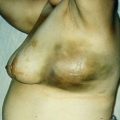
CLL may affect the skin in different ways. It may look like redness, be warm to the touch, raised up from the surrounding skin, be a patch or even form nodules or lesions. These changes can be localized to one area of the body or be found all over the body.
Some types of skin problems that may look similar do not have to cause discomfort or even symptoms at all. Others could cause the skin with CLL to become itchy, red, irritated, tender or even to have open sores. This evaluation would consider the patient’s CLL status, symptoms, therapies, immune deficiency and lesion. While the appearance of a skin lesion is important in determination of evaluation, the vast majority of lesions are not caused by CLL.
Why Diagnosis Matters
It is important to find the cause of skin lesions to decide on the appropriate treatment. In some cases, a skin lesion is caused by CLL, in other cases a skin lesion is caused by an infection or by a drug reaction or by another dermatological disorder.
The skin change may be diagnosed by a physician performing a physical examination to note the skin lesions, and by reviewing the individual’s medical history and the treatment(s) they are currently taking. If leukemia cells are suspected to be affecting the skin, a skin biopsy (in which a portion of affected skin is removed and examined under a microscope for abnormal cells) can confirm involvement of CLL in the skin.
Further laboratory tests and possibly even imaging studies will be evaluated in the overall clinical context. And, as with any single test result, it will be reviewed in combination with other findings.
CLL and Increased Risk of Infection
Because CLL can affect the immune system of patients there is an increased risk of infection. As a result, their health care provider will pay special attention to signs of infection when patients are on treatment for CLL. A rapidly changing skin lesion, increasing redness or swelling, drainage, and a fever, for example, are signs of possible infection that should be addressed immediately.
Immune function can drop during the time of treatment for CLL. As a result, healthcare professionals will be monitoring for signs of infection during routine follow-up assessments of patients with CLL.
Patients experiencing rapidly changing skin lesions, increasing redness, swelling, pus flow, or fever should contact a healthcare professional.
Treatment Depends on the Cause
Management of skin condition affecting a person with CLL depends on the exact cause of the skin problem and whether or not the person with CLL has active leukemia for which treatment may be considered.
Management of a skin problem associated with CLL is the same as management of the problem causing the skin change. Infections are treated as infections. Suspected drug reactions are evaluated and changed if necessary. Skin changes due to CLL are treated as CLL.
When CLL causes skin problems it can be difficult to manage skin lesions and in some cases the skin problem can be a manifestation of widespread CLL, needing treatment of the underlying disease.
Not everyone with CLL and a skin change requires the systemic treatment of leukemia for the skin change. This depends on the entire clinical picture of CLL, of symptomatology and of disease progression.
The Role of Modern Treatment for CLL
There are several new CLL treatments approved. Targeted therapies may now be considered for some patients depending on various factors. These new therapies are designed to specifically target cancer cells.
Targeted cancer therapies, such as the BTK inhibitors (like Zanubrutinib, ibrutinib, or acalabrutinib,) which specifically target the protein Bruton’s tyrosine kinase (BTK), belong to a class of cancer drugs that target specific proteins crucial for the growth, survival, migration and interaction of CLL cells with the environment. BTK inhibitors target the BTK signaling pathway that is involved in CLL cell survival. Another example of targeted CLL therapies are the BCL-2 inhibitors (e.g. venetoclax). The proteins of the BCL-2 family, like BCL-2 itself, play a critical role in regulating CLL cell death. BCL-2 inhibitors target the proteins that enable cell survival.
Inhibitors of BCL-2, work by inhibiting the BCL-2 protein which helps CLL cells evade normal cell death programs. When choosing a treatment for CLL, there are many different factors to consider, such as the patient’s previous treatment, the molecular characteristics of the CLL, the patient’s general health, the potential side effects of a treatment, and any drug interactions with other medications the patient is currently taking.
When Treatment May Not Be Immediately Necessary
Treatment of CLL is not immediately indicated for people with an early-stage asymptomatic form of CLL and therefore most patients with this form of CLL are monitored on an active surveillance or “watch and wait” basis.
During active surveillance of CLL, the healthcare team monitor for changes in the CLL, and any development of symptoms or complications related to leukemia. Treatments can be considered as needed. It is thus generally possible to differentiate skin symptoms from CLL. Treatment of the skin problem thus can be started separately while monitoring the CLL status of the patient.
Individualized Management Is Important
Each case of CLL is different and therefore management of skin conditions needs to be based on the individual patient’s clinical circumstances. Healthcare professionals take into consideration factors such as the type of skin lesions, the CLL in question, previous treatment, degree of immunosuppression, co-existing medical conditions and potential benefits and risks of various treatments.
A person’s CLL is unique. Even for CLL that has spread to the skin, different treatments may be needed, and the use of some treatments may have different benefits and risks than others. Sometimes the input of specialists from dermatology (skin) and hematology or oncology (cancer) may be needed.
Looking Ahead
More research on CLL is being carried out and new treatments are being developed which can be used to treat active CLL. These new therapies have a different mechanism of action than traditional chemotherapy.
For individuals living with CLL, it is essential to alert their healthcare team to any new or changing skin lesions as these could represent an infection, a treatment side effect, an unrelated skin condition or CLL involvement of the skin. If a CLL patient develops an unusual or persistent change in the skin, such as lesions, they should let their health care providers know. Appropriate assessment and treatment can be administered as necessary.
Medical Disclaimer: The information provided in this article is intended for educational purposes only and should not be interpreted as medical advice, clinical guidelines, or a recommendation for any specific treatment.
Related posts:






Stay updated, free articles. Join our Telegram channel

Full access? Get Clinical Tree


