By Charlotte Wilson, Wellness Research Analyst | Reviewed by Robert Xandars
Research on the best peptides for anti-aging in 2026 has expanded significantly over the past decade. Anti-aging peptides are short chains of amino acids studied for their interactions with the skin’s structure, hormonal pathways, and cellular repair processes. In research settings, scientists study how these molecules signal cells, support collagen production, and interact with age-related biological changes.
Anti-aging peptides fall into three regulatory categories: topical cosmetic ingredients, oral dietary supplements, and Research Use Only (RUO) laboratory compounds. Each category has a different legal status and evidence base.
This guide covers five peptides: GHK-Cu, BPC-157, CJC-1295 + Ipamorelin, Matrixyl, and Argireline. We evaluated each based on published study design, evidence quality, and regulatory classification. RUO peptides in this article are not approved for human use in any form.
Key Takeaways
- GHK-Cu is the most extensively studied anti-aging peptide in dermatological research, with documented effects on collagen gene expression and procollagen synthesis.
- Matrixyl (palmitoyl pentapeptide-4) has the strongest placebo-controlled clinical evidence among topical anti-aging signal peptides.
- BPC-157, CJC-1295, and Ipamorelin are Research Use Only (RUO) compounds. They are not approved for human use in any form.
- Evidence depth varies considerably. Matrixyl and GHK-Cu have human clinical trial data. BPC-157 and CJC-1295 remain primarily preclinical.
- Third-party Certificate of Analysis (COA) documentation is a baseline requirement when sourcing any RUO research peptide.
- Argireline has been studied in clinical research, but current evidence does not support the claim that it is a topical Botox alternative.
Quick Comparison: Best Peptides for Anti-Aging 2026
The five peptides most discussed in anti-aging research differ significantly in their category, evidence base, and regulatory classification.
| Peptide | Category | Primary Research Interest | Regulatory Classification |
|---|---|---|---|
| GHK-Cu | Copper peptide | Collagen signaling, extracellular matrix support | Topical: cosmetic ingredient. Injectable: RUO compound |
| BPC-157 | Synthetic research peptide | Tissue signaling, repair pathways | RUO compound. Not approved for human use |
| CJC-1295 + Ipamorelin | Growth hormone secretagogues | Growth hormone axis modulation | RUO compounds. Not approved for human use |
| Matrixyl (Palmitoyl Pentapeptide-4) | Signal peptide | Extracellular matrix communication | Approved cosmetic ingredient |
| Argireline (Acetyl Hexapeptide-8) | Neurotransmitter inhibitor peptide | Facial expression-related lines | Approved cosmetic ingredient |
Matrixyl and Argireline are regulated cosmetic ingredients. GHK-Cu injectable, BPC-157, CJC-1295, and Ipamorelin are RUO compounds not approved for human use.
What Are Anti-Aging Peptides?
Anti-aging peptides are short chains of amino acids. They interact with biological pathways involved in aging. Researchers study them to understand how they communicate with cells.
Understanding Peptides and Their Role in the Body
Peptides are molecules made up of two or more amino acids linked together. They are smaller than proteins. They function primarily as signaling molecules that travel to specific cells and trigger a biological response.
Here is how amino acids, peptides, and proteins relate to each other:
- Amino acids are individual molecular building blocks.
- Peptides are short chains of those building blocks, typically 2 to 50 amino acids long.
- Proteins are long chains that fold into complex structures and perform structural or enzymatic roles.
Collagen is a structural protein. Matrixyl is a peptide that signals cells to produce more collagen. Understanding that difference matters when evaluating what a research peptide is actually being studied for.
Why Are Peptides Studied in Aging Research?
Aging produces specific, measurable biological changes. Collagen production declines and skin loses structural firmness. Oxidative stress accumulates, and cells sustain damage over time.
The extracellular matrix breaks down, cellular regeneration slows, and inflammatory signaling increases.
Certain peptides appear to interact directly with these processes. Some communicate with collagen synthesis pathways. Others bind to copper ions and activate enzyme systems.
A 2025 PMC review titled “Peptides: Emerging Candidates for the Prevention and Treatment of Aging” covers the expanding role of peptide research in aging biology. Most peptide research remains at the preclinical or early clinical stage. Results from laboratory settings do not always replicate in human studies.
How Anti-Aging Peptides Work in the Body
Most anti-aging peptides function as biological messengers. They bind to receptors on cell surfaces and trigger a specific cellular response.
Peptides as Cellular Signaling Molecules
When a peptide binds to a cell receptor, it initiates a chain of cellular events. Signal peptides prompt fibroblasts to produce structural proteins like collagen and elastin. Copper-binding peptides activate enzyme systems involved in tissue maintenance.
Growth-related peptides interact with pituitary signaling pathways that regulate hormone release. Each peptide class has a specific mechanism of action.
Peptides and Collagen Research
Collagen is the primary structural protein in skin. It provides firmness and elasticity. Production begins to decline after age 25 and accelerates after age 40.
Several peptide classes have been studied for their relationship to collagen synthesis. Matrixyl mimics fragments of collagen breakdown products and signals fibroblasts to increase production. GHK-Cu influences collagen-related gene expression through epigenetic mechanisms.
Oral collagen peptides provide amino acid substrates that may support collagen synthesis following digestion. Each mechanism is different. The clinical evidence supporting each also varies considerably.
Peptides and Skin Barrier Research
The skin barrier regulates moisture retention and blocks environmental irritants. Research examines how peptides affect hydration levels, skin thickness, and structural integrity.
GHK-Cu studies have measured changes in skin density using high-resolution dermal ultrasound. Matrixyl studies have evaluated skin roughness, wrinkle depth, and elasticity using optical profilometry.
Best Peptides for Anti-Aging Research
The five peptides below appear most frequently in anti-aging research. They differ in mechanism, evidence base, and regulatory classification.
1. GHK-Cu: Most Extensively Studied Copper Peptide For Anti-Aging
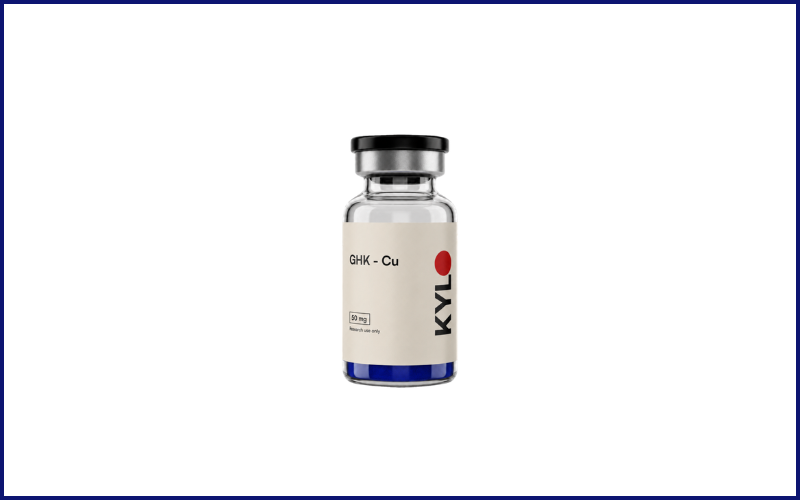
GHK-Cu is the most extensively studied copper peptide in anti-aging and dermatological research. When our editorial team reviewed the available literature, GHK-Cu Peptide showed stronger and more replicated evidence than any other copper peptide in this category.
What Is GHK-Cu?
GHK-Cu is a naturally occurring copper-binding tripeptide found in human plasma, urine, and saliva. It delivers copper to enzyme systems involved in tissue maintenance. That copper-delivery function is what makes it relevant to research on collagen and skin structure.
It was first identified by peptide scientist Loren Pickart in 1973. It is not a synthetic compound.
How GHK-Cu Is Studied in Aging Research
A review published in Biomaterials International found procollagen synthesis increased in 70% of volunteers treated with GHK-Cu. That compares to 50% for vitamin C and 40% for retinoic acid.
Pickart’s research suggests GHK-Cu may influence approximately 4,000 of human genes through epigenetic mechanisms. That breadth of cellular interaction is what drives continued research interest.
GHK-Cu: Topical Form vs RUO Research Form
Topical GHK-Cu is a regulated cosmetic ingredient used in serums and creams. Injectable GHK-Cu is a separate compound classified as Research Use Only (RUO) for in vitro and preclinical research. Injectable GHK-Cu is not approved for human use.
Studies using Franz diffusion cells show approximately 3.86% cumulative permeation through synthetic epidermis over 24 hours. Topical and injectable formulations exhibit different bioavailability and are studied in separate research contexts.
2. BPC-157: Best Synthetic Peptide For Tissue Signaling
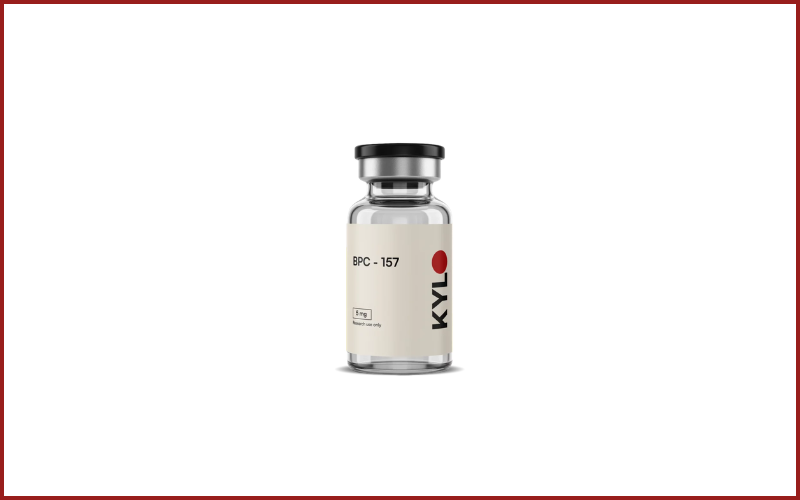
BPC-157 is a synthetic research peptide studied for its interactions with tissue signaling and cellular repair pathways. In reviewing the published evidence, most studies come from animal models. This places BPC-157 at an earlier stage of evidence than topically applied peptides with controlled human trials.
Understanding BPC-157
BPC-157 is a synthetic peptide derived from a protein found in human gastric juice. BPC stands for Body Protection Compound. Unlike GHK-Cu, it does not occur naturally in significant quantities in the body.
It is a designed amino acid sequence synthesized specifically for biological research. That synthetic origin shapes how it is classified and studied.
Why BPC-157 Appears in Anti-Aging Research
BPC-157 enters anti-aging discussions because of its studied role in tissue signaling pathways. Research has examined its interactions with cellular communication, inflammatory response, and tissue repair mechanisms.
A 2025 PubMed narrative review on BPC-157 covers its mechanisms in musculoskeletal and tissue healing contexts. That is where most of the published evidence is concentrated. Anti-aging discussions extend from that base.
Research Status of BPC-157
The evidence base for BPC-157 is currently preclinical. Most published studies use animal models. Human clinical data for anti-aging applications is limited.
BPC-157 is classified as a Research Use Only (RUO) compound. It is not approved for human use in any form, including injection, oral ingestion, or capsule administration. Batch-specific COA documentation from a third-party laboratory is a baseline requirement when sourcing it for laboratory use.
3. CJC-1295 + Ipamorelin: Best Secretagogue Combination For Age-Related Hormonal Decline
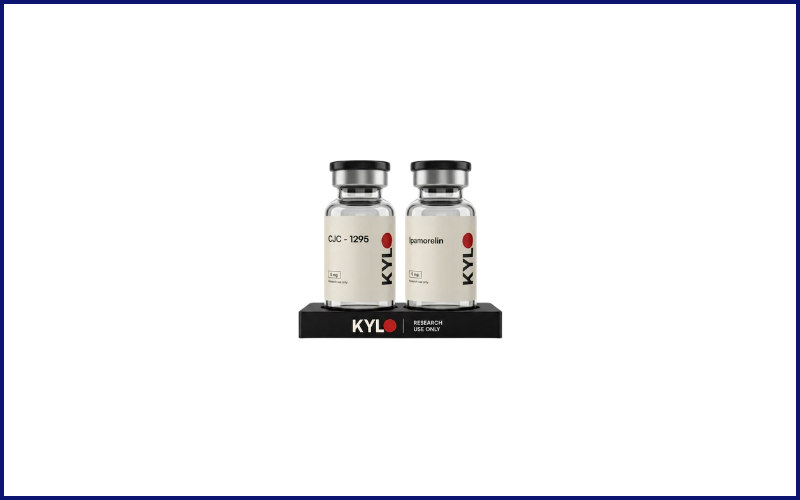
CJC-1295 and Ipamorelin are studied together as a dual-receptor growth hormone secretagogue combination. The anti-aging research interest stems from age-related growth hormone decline, a measurable biological change that begins in the third decade of life. In reviewing the available data, most published studies examine metabolic and body composition markers.
What Are CJC-1295 + Ipamorelin?
CJC-1295 is a synthetic analog of Growth Hormone Releasing Hormone (GHRH). Ipamorelin is a synthetic ghrelin mimetic. They are studied together because they act on two distinct receptor systems and produce a stronger combined GH-release signal.
Both are Research Use Only (RUO) compounds. They are not dietary supplements and are not approved for human use in any form, including injectable or capsule form.
CJC-1295 + Ipamorelin and Aging Research
The aging research interest begins with a documented biological change: growth hormone output declines with age. Researchers call this somatopause. CJC-1295 and Ipamorelin are studied in preclinical and early-stage research in that context.
Research areas include lean body mass, metabolic function, and recovery-related biological markers. Some studies track secondary skin biomarkers including hydration, elasticity, and collagen markers. Those skin outcomes are not the primary research focus of this compound pair.
CJC-1295 + Ipamorelin vs Collagen Peptides
Researchers sometimes ask how this compound pair relates to oral collagen peptides. They differ in origin, regulatory status, and the subjects they study.
| Collagen Peptides | CJC-1295 + Ipamorelin | |
|---|---|---|
| Source | Hydrolyzed animal or marine protein | Synthetically designed amino acid sequences |
| Study context | Dietary supplement research | Research Use Only (RUO) laboratory compounds |
| What they are | Protein fragments providing amino acid substrates | Synthetic signaling molecules targeting GH receptors |
| Regulatory status | Dietary supplement (FDA regulated) | RUO research peptides. Not approved for any human use |
4. Matrixyl: Clinically Validated Topical Peptide For Wrinkles
Matrixyl (palmitoyl pentapeptide-4) is the most clinically validated topical signal peptide in anti-aging skincare research. Multiple independent, placebo-controlled trials document its effects on wrinkle depth, skin roughness, and elasticity. When reviewing the available evidence, Matrixyl has a more consistent and independently replicated clinical record than any other topical signal peptide in this category.
What Are Matrixyl Peptides?
Matrixyl is the trade name for a group of synthetic signal peptides used in cosmetic skincare formulations. The primary studied version is palmitoyl pentapeptide-4 (pal-KTTKS). It mimics a fragment of the procollagen I chain and signals fibroblasts to increase collagen production.
A palmitoyl group (a fatty acid chain) is added to improve stability and penetration into formulations. That design choice is why Matrixyl is stable in topical products.
How Matrixyl Peptides Are Studied
A 2017 peer-reviewed study in MDPI Cosmetics found that palmitoyl pentapeptide-4 stimulates the production of elastin, fibronectin, glycosaminoglycans, and collagen Types I, III, and IV.
In a 28-day double-blind placebo-controlled trial, a 0.005% pal-KTTKS formulation reduced fold depth by 18%, fold thickness by 37%, and skin rigidity by 21% versus placebo. A separate four-month study with 49 participants documented significant improvement in skin roughness, wrinkle volume, and wrinkle depth.
Research Considerations for Matrixyl
Effective concentrations in published trials are very low, typically 0.001% to 0.005%. Many commercial products list palmitoyl pentapeptide-4 as an ingredient but do not disclose the concentration used.
Without a confirmed concentration that matches study levels, it is not possible to assess whether a product delivers the same activity seen in controlled trials. Matrixyl 3000, a pairing of palmitoyl tetrapeptide-7 with palmitoyl oligopeptide, is a separate formulation also studied for extracellular matrix communication.
5. Argireline: Topical Peptide For Expression Lines And SNARE Protein
Argireline (acetyl hexapeptide-8) is a topical cosmetic peptide studied for its potential to reduce the depth of facial expression-related wrinkles through SNARE protein targeting. In reviewing the clinical trial data, the published evidence for Argireline as a stand-alone wrinkle treatment is currently inconclusive.
Understanding Argireline
Argireline is a synthetic peptide designed to interact with SNARE protein complexes involved in neurotransmitter release at the neuromuscular junction. Botulinum toxin (Botox) acts on the same protein target. That shared mechanism is why Argireline is frequently marketed as a topical Botox alternative.
The research question is whether a topically applied peptide can reach that target at a depth sufficient to produce a measurable effect.
Argireline Research and Expression Lines
Argireline is studied for effects on facial expression-related wrinkles, particularly around the eyes and forehead. The proposed mechanism is partial inhibition of muscle contraction signaling at the skin surface.
A peer-reviewed study in the International Practice and Research Symposia journal enrolled 19 female participants over a 4-week period. It found Argireline’s wrinkle-reducing effect “was not significant” (p>0.05). The Publisso clinical study concluded it is “not deemed to be an alternative treatment to botulinum toxin.”
Limitations of Argireline Research
The core limitation is delivery depth. The neuromuscular junction sits well below the skin surface. Botox reaches it through direct medical injection. Argireline is applied to the skin’s outer surface.
The delivery pathway, mechanism confirmation, and evidence standards for these two approaches are entirely separate. Current published evidence does not support the Botox equivalent claim for topical Argireline.
Research Peptides vs Topical Cosmetic Peptides: Understanding the Difference
Three distinct regulatory categories appear in anti-aging peptide discussions. Topical cosmetic peptides are regulated cosmetic ingredients. Oral collagen peptides are FDA-regulated dietary supplements. Research Use Only (RUO) peptides are laboratory compounds with no approved human use.
Topical Peptides in Skincare
Topical peptides are applied to the skin surface in creams, serums, or moisturizers. They act within or just below the skin’s outer layers. A peptide must be small enough and stable enough to penetrate the stratum corneum to be active topically.
Peptides with a molecular weight above approximately 500 Daltons generally cannot reach dermal fibroblasts. Cosmetic chemists address this by attaching lipid carriers to peptides. Adding palmitic acid to generate palmitoylated peptides, as in Matrixyl, is one example.
RUO Peptides in Laboratory Settings
RUO peptides such as BPC-157, CJC-1295, Ipamorelin, and injectable GHK-Cu are laboratory compounds for controlled preclinical and in vitro research. They are not cosmetic products. They are not dietary supplements. They are not approved for human use.
Research on these compounds studies biological mechanisms, receptor interactions, and signaling pathways at the cellular and molecular level. Any description of how these peptides behave in biological systems refers only to their effects studied in laboratory research.
Peptide Delivery Methods in Anti-Aging Research
How a peptide reaches its biological target determines its biological activity. Three delivery contexts appear in anti-aging peptide research: topical application, oral collagen supplementation, and injectable delivery studied in preclinical research settings.
Topical Application
Topical delivery covers serums, creams, and moisturizers. This is the standard delivery format for cosmetic peptides including Matrixyl, Argireline, and topical GHK-Cu.
Formulation quality determines biological activity. The peptide concentration must be sufficient, the peptide must remain stable in the formula, and the delivery vehicle must support adequate skin penetration.
Oral Collagen Peptides
Hydrolyzed collagen is a dietary supplement approved for human consumption and regulated by the FDA. When ingested, it is broken down into amino acids and small dipeptides. Research suggests that some fragments are absorbed through the gut and may reach the dermis, thereby supporting collagen synthesis.
This subsection addresses hydrolyzed collagen dietary supplements only. RUO research peptides such as BPC-157 or CJC-1295 are not approved for oral ingestion or capsule administration in any human context.
Injectable Delivery in Research Settings
In preclinical research, injectable delivery provides high bioavailability for experimental peptide compounds. Peptides administered by injection bypass the skin barrier and the digestive system. This delivery method has been studied in preclinical animal models for BPC-157, CJC-1295, and Ipamorelin.
Peptides vs Other Anti-Aging Ingredients
Anti-aging peptides are often evaluated alongside retinoids, hyaluronic acid, and antioxidants. Each ingredient class acts through a different biological mechanism. That affects how they are studied, formulated, and combined in skincare research.
Peptides vs Retinoids
Retinoids are vitamin A derivatives, including retinol, tretinoin, and retinaldehyde. They work by increasing skin cell turnover and stimulating collagen production through retinoic acid receptors in the skin.
Retinoids have decades of published clinical research and are among the most evidence-supported topical anti-aging ingredients. Peptide evidence ranges from well-established for Matrixyl to preclinical for BPC-157. Both appear in skincare formulations because they act through different mechanisms.
Peptides vs Hyaluronic Acid
Hyaluronic acid is a humectant. It draws water into the outer skin to improve surface hydration and creates a temporary plumping effect. It does not influence collagen production or cellular signaling pathways.
Peptides act on signaling processes including collagen production and skin structure. Hyaluronic acid produces visible hydration results relatively quickly. Peptide studies measure structural changes that develop over weeks to months.
Peptides vs Antioxidants
Antioxidants include vitamin C, niacinamide, and resveratrol. They neutralize free radicals that damage cells and accelerate aging through oxidative stress. The central research focus for peptides is biological signaling.
GHK-Cu has documented antioxidant-adjacent properties alongside its primary signaling functions. Antioxidants and peptides address aging through separate mechanisms. They are frequently combined in skincare formulations for this reason.
Factors Researchers Consider When Evaluating Anti-Aging Peptides
Not all peptide research carries equal weight. Evaluating a peptide accurately requires looking at study design, data sources, and quality documentation.
Laboratory Studies
Laboratory studies test peptides on cell cultures or isolated tissue samples. They establish mechanism of action at the molecular level. Cell cultures do not replicate the full biological complexity of living systems.
They lack functioning skin barriers, immune systems, and metabolic processes. Laboratory results inform research direction but do not confirm outcomes in humans.
Clinical Studies
Clinical studies test peptides in human participants. Four criteria determine study reliability: participant count, study duration, measurement method, and presence of a placebo control group.
A double-blind, placebo-controlled trial with 50 or more participants over 12 weeks produces more reliable data than an open-label study with 10 participants over 4 weeks. High-resolution dermal ultrasound and optical profilometry provide objective, reproducible data.
Third-Party Testing and Quality Evaluation
For RUO research peptides, third-party quality documentation is a baseline procurement requirement. Key items to verify:
- Certificate of Analysis (COA): Independent laboratory documentation confirming peptide identity, molecular weight, purity percentage, and absence of contaminants
- Purity percentage: Research-grade peptides typically require 98% purity or higher
- Contamination screening: Testing for heavy metals, bacterial endotoxins, and residual solvents
Batch-specific COAs from third-party analytical laboratories are the standard. Supplier-issued internal testing documentation alone is insufficient for research procurement verification.
What Researchers Look for in Anti-Aging Peptide Products
Research credibility and procurement standards determine how useful a peptide compound is for study. The following criteria apply to both cosmetic-grade and RUO research peptides, with different documentation standards for each.
Research Quality
Published evidence behind a peptide determines its research credibility. Peer-reviewed studies in indexed journals carry more weight than press releases or company-funded summaries. Studies with objective outcome measurements and independent replication are the standard reference point.
Multiple independent research groups have published on Matrixyl. BPC-157 in anti-aging contexts has a thin human research base. Most published evidence comes from animal models.
Ingredient and Sequence Transparency
For topical cosmetic peptides, the INCI (International Nomenclature of Cosmetic Ingredients) name identifies the specific compound. The INCI name for Matrixyl is palmitoyl pentapeptide-4. Product labels listing only “peptides” without a specific compound name or concentration provide no useful information about biological activity.
For RUO research peptides, suppliers should provide batch-specific COAs from independent third-party laboratories. The COA should confirm the peptide sequence, molecular weight, purity percentage, and impurity screening results.
Regulatory Classification
Topical cosmetic peptides, including Matrixyl, Argireline, and GHK-Cu, are regulated as cosmetics by the FDA. Per FDA cosmetic regulations (fda.gov/cosmetics), cosmetic products are evaluated for safety. They cannot legally make claims to treat, cure, or prevent any medical condition.
RUO peptides, including BPC-157, CJC-1295, Ipamorelin, and injectable GHK-Cu, are not approved drugs or dietary supplements. They have no FDA clearance for cosmetic or therapeutic application. They are sold for in vitro and laboratory research only.
Common Questions About Anti-Aging Peptides
What Are the Most Popular Anti-Aging Peptides?
GHK-Cu, Matrixyl, Argireline, hydrolyzed collagen, CJC-1295, and Ipamorelin are the most widely discussed. GHK-Cu and Matrixyl have the strongest topical evidence. CJC-1295 and Ipamorelin are RUO compounds not approved for human use.
Are Peptides the Same as Botox?
No. Botox is a medical injection of botulinum toxin that temporarily paralyzes targeted muscles. Peptides are amino acid chains that interact with cellular signaling pathways. Argireline targets a similar protein complex topically, but it is a cosmetic ingredient, not a drug or injection.
Are Research Peptides the Same as Peptide Skincare?
No. Topical skincare peptides like Matrixyl and Argireline are regulated cosmetic ingredients for consumer use. RUO peptides such as BPC-157, CJC-1295, and Ipamorelin are laboratory-synthesized compounds sold exclusively for in vitro research. They are not approved for human use in any form.
Which Peptides Are Most Studied for Skin Aging?
GHK-Cu has the longest history of dermatological research. Matrixyl has the strongest placebo-controlled clinical trial evidence among topical signal peptides. Argireline has been studied in research, but its stand-alone efficacy remains inconclusive.
How Long Have Peptides Been Studied?
GHK-Cu research began in 1973 with Loren Pickart’s early work on tissue remodeling. Matrixyl entered the commercial cosmetic market in the early 2000s. Research interest in RUO peptides for anti-aging has expanded since approximately 2015.
Final Thoughts: Understanding the Future of Anti-Aging Peptide Research
After reviewing the published research on the best peptides for anti-aging, GHK-Cu and Matrixyl stand out for evidence depth and replication quality. BPC-157, CJC-1295, and Ipamorelin are RUO compounds with limited human data. Argireline has active research but inconclusive results as of the current published literature.
For any RUO peptide, batch-specific third-party COA documentation is a baseline procurement requirement before sourcing.
Research Use Only (RUO) Notice: Several peptides in this article, including injectable GHK-Cu, BPC-157, CJC-1295, and Ipamorelin, are classified as Research Use Only (RUO) compounds. They are sold exclusively for in vitro and laboratory research. They are not approved for human use. They are not intended for human injection, ingestion, or capsule administration. They are not dietary supplements, cosmetic products, or clinical treatments. This article is for educational purposes only and does not constitute medical advice.
Related posts:






Stay updated, free articles. Join our Telegram channel

Full access? Get Clinical Tree


